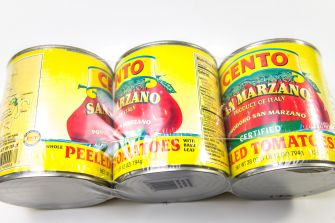
Cento Fine Foods is facing a proposed class action lawsuit in California accusing the company of misleading consumers by marketing some of its canned tomato products as “Certified San Marzano” tomatoes without certification from the Italian consortium tied to the protected designation.
The lawsuit, filed by two California consumers, alleges Cento’s labeling falsely suggests the tomatoes qualify as authentic DOP-certified San Marzano tomatoes from Italy. According to the complaint, shoppers paid premium prices believing the products met the same standards associated with the protected Italian designation.
San Marzano tomatoes are a variety of plum tomato traditionally grown in the Campania region of southern Italy. Within the European Union, the tomatoes are protected under a designation known as DOP, short for “Denominazione d'Origine Protetta,” or protected designation of origin. DOP protections are used to verify that certain foods are produced in specific regions using approved growing and production methods.
The lawsuit compares the designation to protections surrounding products like Champagne and Parmigiano Reggiano cheese, arguing that authentic San Marzano tomatoes can only be grown, processed, and certified within a defined region of Italy. Oversight of the tomatoes is handled by an Italian consortium known as Il Consorzio di Tutela del Pomodoro San Marzano DOP, according to the complaint.
Court filings claim Cento’s packaging and marketing create an erroneous impression that the tomatoes carry official DOP certification. Cento describes its tomatoes as originating from the Campania region and states on its website that customers can trace the field of origin of their tomatoes through lot codes printed on the cans. The company also says its tomatoes are certified by Agri-Cert and claims to operate a production facility in the region where San Marzano tomatoes are traditionally grown.
The lawsuit alleges Cento’s labeling could lead shoppers to believe the products carried the same protected designation used for recognized San Marzano tomatoes in Italy. The consumers argue that the tomatoes lack the same quality and characteristics associated with consortium-approved San Marzano tomatoes.
Under California consumer protection laws, companies can face legal challenges if product packaging allegedly creates a misleading impression about a product’s origin, authenticity, or quality. The claims focus on whether an ordinary consumer would interpret the labeling as a reference to DOP-certified San Marzano tomatoes rather than tomatoes approved by a separate organization.
The lawsuit also revisits questions raised in earlier litigation involving Cento’s tomato products. A similar federal lawsuit filed in New York in 2019 accused the company of selling allegedly inauthentic San Marzano tomatoes. That case was dismissed in 2020 after a federal judge concluded that a reasonable consumer was unlikely to distinguish between tomatoes certified by the official Italian consortium and those certified by another certifier using similar standards.
Cento has denied the allegations and said it intends to seek dismissal of the lawsuit, which seeks more than $25 million in damages on behalf of consumers who purchased the products.