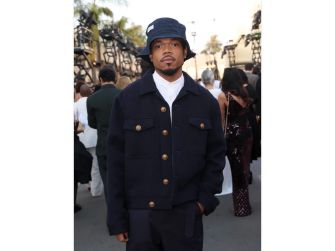
A jury awarded Chance the Rapper, born Chancelor Bennett, $35 in damages in a countersuit against his former manager, Pat Corcoran, concluding a five-year legal dispute. The decision followed a trial lasting more than two weeks, during which both sides detailed their business relationship and its breakdown.
Bennett’s countersuit, filed in 2021, alleged that Corcoran used his role as manager to seek financial benefits and harmed the rapper’s professional reputation. The lawsuit sought $1 million in damages.
The dispute traces back to an earlier claim Corcoran filed in late 2020 seeking approximately $3.8 million. He argued that he was owed unpaid commissions and expenses tied to his work managing Bennett’s career, including touring and merchandise operations.
The case centers on an informal agreement between the two men, who began working together in 2012 as Bennett’s career gained national attention. According to court filings, the arrangement was never formalized in writing and involved Corcoran receiving 15 percent of the artist’s net profits.
Bennett’s legal team argued that any such agreement did not extend beyond the end of Corcoran’s tenure, which concluded in April 2020. They said the split was driven by concerns about Corcoran’s performance and fit with Bennett’s career direction.
Corcoran maintained that he was still entitled to compensation tied to work performed during his time as manager and that his dismissal followed changes within Bennett’s management structure. After the split, Bennett brought family members into key roles, including his father, Ken Bennett, and his brother, Taylor Bennett.
Attorneys for both sides addressed the outcome following the verdict. Corcoran’s lawyer, Jay Scharkey, pointed to the minimal damages award as reflecting how the jury evaluated the claims and emphasized the importance of formal agreements.
Precious Jacobs-Perry, Bennett’s attorney, said the jury’s findings show her client had no obligation to continue paying commissions after the management relationship ended. She said the outcome supports independent artists navigating business arrangements without formal contracts.
Bennett said the verdict reinforces the importance of transparency and control for artists over their work and financial agreements. “Friday marked an important day in setting a legal precedent for artists,” he said, adding that the case was about accountability as much as compensation.
Additional claims related to the case remain pending before the court.