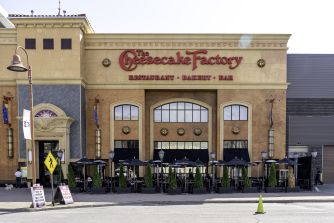
On December 4, 2020, the Securities and Exchange Commission (SEC) made its first charge against a public company for misleading customers and investors on the real impact of the COVID-19 pandemic on business finances. The SEC accepted an Offer of Settlement by Cheesecake Factory Incorporated to consent to a Cease-and-Desist Proceedings filing and a financial penalty of $125,000 to be paid within 15 days.
Under the Securities Exchange Act of 1934, public companies are required to furnish information on their business finances when any type of event triggers a company to file a report to the public, whether such event impacts them either positively or negatively. Those companies file a Form 8-K, also known as the “Current Report,” with the SEC within four days of the impacting event. Qualifying events include, but are not limited to, filing for bankruptcy, change in Directors, or any event the business deems as materially impactful. These forms are in addition to the annual report, Form 10-K, and the quarterly report, Form 10-Q, that public companies must submit to the SEC declaring their financial status.
The Cheesecake Factory is a publicly-traded company based in Calabasas Hills, California. The company was charged with filing statements on their Forms 8-K that “were materially false and misleading” to investors to obtain additional funding. In either of their Forms 8-K filed March 23 and April 3, 2020, they did not disclose information such as letters they had sent in early March to their domestic and foreign landlords that they would not be paying rent for April 2020. In addition, they did not disclose pertinent information such as their negative cash flow or their current balance of cash in late March and April.
The SEC claims that by March 23, 2020, “the company was actively seeking additional liquidity through either the incurrence of debt through lenders or the issuance of equity to private equity investors with the goal of raising at least $100 million,” which was not included in any of the Forms 8-K filed in the first quarter of 2020. The SEC further stated that the forms filed “failed to adequately inform investors of the extent of COVID-19’s impact on the company’s operations and financial condition.”
The Cheesecake Factory had “shared the information with potential private equity investors or lenders in connection with an effort to seek additional liquidity,” but did not enclose these meetings or the financial statistics presented at these meetings to the SEC nor the public. The information provided to the SEC and the public stated the company was “operating sustainably” and had changed its business model to successfully weather the storm of COVID-19. However, the SEC found that their “internal documents at the time showed the company was losing approximately $6 million in cash per week” and that they only had about 16 weeks of cash remaining.
The SEC is a self-proclaimed “investor’s advocate” and is the federal agency responsible for protecting investors, promoting fairness in the securities market, and sharing “information about the companies and investment professionals to help investors make informed decisions and invest with confidence.”
Stephanie Avakian, Director of the Division of Enforcement, was quoted in the SEC’s press release as stating “when public companies describe for investors the impact of COVID-19 on their business, they must speak accurately.” The Director further alerted other companies that may be in similar situations as the Cheesecake Factory that the SEC’s “Coronavirus Steering Committee will continue to scrutinize COVID-related disclosures to ensure the investors receive accurate, timely information.”
In April 2020, the Chairman of the SEC released a statement regarding the importance of disclosure during the COVID-19 pandemic. He acknowledged that “providing detailed information regarding future operating conditions and resource needs is challenging,” but emphasized its importance when informing investors. He stated these disclosures will “not only provide benefits to investors and companies, it also will enhance valuable communication and coordination across our economy.”