We use cookies and similar technologies to help our website function, understand how visitors use our site, and improve your experience. Some cookies are necessary for the website to operate, while others may be used for analytics or advertising.
Viewing as a visitor in
Legal News, Information & Blogs
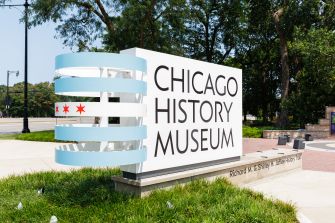
Chicago History Museum Sued Over Data Breach, Delayed Notice
The Chicago History Museum is facing a lawsuit in Illinois state court over a September 2026 data breach that allegedly exposed personal information belonging to customers, employees and volunteers. The complaint accuses the museum of failing to maintain adequate cybersecurity protections and waiting until November to disclose the incident, leaving affected individuals at greater risk of identity theft and financial fraud.
Filed in Cook County Circuit Court, the lawsuit alleges that weaknesses in the museum's security systems made people whose information it collected and stored "easy targets" for cybercriminals. The claims concern the safeguards the institution had in place before the intrusion and the time it took to notify those whose information may have been compromised.
The museum collects personal information through ticket sales, memberships, donations, employment and volunteer programs. Such records can contain names, contact information, financial details and other identifying data. According to the complaint, inadequate security measures allowed Unauthorized AccessAccessing a computer, account, network, or data without permission or beyond the authority that was granted.Read more → and increased the risk of fraudulent transactions, identity theft and other forms of misuse. The specific categories of information compromised in the September breach have yet to be independently confirmed.
Illinois law requires organizations that collect, maintain or store residents' personal information to implement reasonable safeguards against unauthorized access, acquisition, use and disclosure. Under the state's Personal Information Protection Act, those obligations extend to covered nonprofit institutions, including museums.
The statute calls for security measures appropriate to the information an organization maintains. Assessing the museum's practices would involve examining the nature of its records, the safeguards in place and the circumstances surrounding the intrusion. A negligence claim would also require evidence connecting the alleged security failures to a legally recognized injury.
The museum's notification timeline presents a separate legal issue. Under the Personal Information Protection Act, covered organizations must notify affected residents after discovering a qualifying breach, providing notice as quickly as reasonably possible and without unreasonable delay. The law allows time to investigate the incident, determine its scope and restore the security of affected systems, along with certain delays related to law enforcement investigations.
The breach occurred in September and was disclosed in November. Determining compliance with state law involves establishing when museum officials discovered the intrusion, when they identified the compromised information and what investigative steps preceded the notification. A separate provision requires organizations notifying more than 500 Illinois residents following a single breach to inform the state attorney general. The number of residents affected by the museum's incident has yet to be confirmed.
Notification requirements give affected individuals an opportunity to protect their financial accounts and personal records. Delayed disclosure can limit the time available to review suspicious activity, change compromised credentials or place fraud alerts and credit freezes before stolen information is misused. Establishing that the museum's alleged delay caused additional harm requires evidence connecting the notification timeline to specific losses.
People bringing data breach lawsuits may seek compensation for financial losses, identity protection expenses, time spent addressing suspected fraud and other injuries connected to an incident. Claims involving the risk of future identity theft can present additional legal challenges, particularly when the alleged harm depends on events that have yet to occur.
The state's Personal Information Protection Act also treats violations as unlawful practices under the Illinois Consumer Fraud and consumer protection lawConsumer protection law is the body of federal and state laws designed to protect people from unfair, deceptive, fraudulent, or abusive practices in the marketplace. These laws regulate areas such as advertising, sales, lending, debt collection, credit reporting, warranties, financial services, and consumer products.Read more → Act. That provision may support civil claims when the applicable legal requirements are met. The plaintiffs' ability to recover damages depends on the causes of action asserted, the evidence presented and the injuries they can establish.
Share This Article
If you found this article insightful, consider sharing it with your network.
Camila studied Entertainment Journalism at UCLA and is the founder of a clothing brand inspired by music festivals and youth culture. Her YouTube channel, Cami's Playlist, focuses on concerts and music history. With experience in branding, marketing, and content creation, her work has taken her to festivals around the world, shaping her unique voice in digital media and fashion.
Meta is facing a proposed class action accusing the company of using Facebook and Instagram photos without consent to extract biometric data, train artificial intelligence models, and develop facial recognition technology for its smart glasses.The lawsuit, filed September 4 in federal court in Chicago, claims Meta collected information from faces...
Read
More about Meta Sued Over Facebook, Instagram Photos Allegedly Used to Train AI and Facial Recognition »
23andMe has reached an $18 million settlement with 41 states and the District of Columbia over claims that cybersecurity failures allowed hackers to access information tied to 6.9 million customers in a 2023 data breach.The agreement resolves government claims against the former parent company of 23andMe, now known as Chrome...
Read
More about 23andMe Reaches $18 Million Settlement Over Data Breach Affecting 6.9 Million Customers »
Five people injured in a rooftop fire at Navy Pier are suing the operator of the Sable Hotel and its restaurants, claiming the company failed to ensure guest safety during a private corporate event where an employee allegedly poured a flammable liquid onto an open flame.
The complaint, filed in...
Read
More about Guests Injured in Navy Pier S’mores Fire Sue Chicago Restaurant Operator »