Photo Source: AP Photo/Jae C. Hong. file via AP News
The Walt Disney Company filed a federal lawsuit Wednesday in Los Angeles against a Hong Kong-based jeweler, accusing the business of selling unlicensed products featuring its signature character, Mickey Mouse.
According to the complaint, the Red Earth Group markets a line of rings, necklaces, and earrings under the brand name Satéur and labels the collection “Mickey 1928.” Disney alleges the collection infringes on its longstanding trademark rights and is designed to mislead consumers into believing the items are officially licensed merchandise.
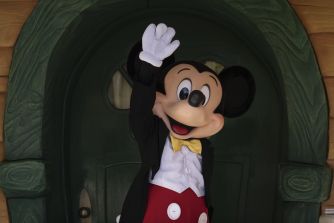
The disputed pieces feature a likeness of Mickey Mouse as he appeared in the 1928 short film Steamboat Willie. Disney asserts that while this version of the character entered the public domain in the United States in 2024, the company’s trademark protections remain intact. The lawsuit claims Red Earth is using the public domain status as a legal pretext to associate its products with Disney’s brand.
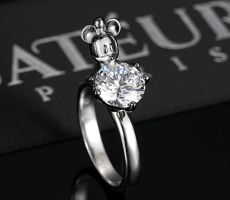
One of the central items named in the complaint is a ring described by Satéur as the “Mickey 1928 Classique Ring,” which features a figure modeled after the early Mickey Mouse character seated on a band with a synthetic gemstone. Disney argues this and similar products are intentionally marketed using language aimed at Disney fans, including references to “Disney enthusiasts,” which the company says further confuses consumers.
Photo Source: Satéur® Mickey 1928 Classique Ring™ via Satéur
The lawsuit states that such tactics are intended to imply a partnership or endorsement by Disney that does not exist. Disney’s legal team also maintains that the use of the character in this context blurs the line between public domain imagery and trademark-protected branding.
Disney is seeking an injunction to stop Red Earth from marketing or selling the jewelry in question, as well as unspecified monetary damages. The company also emphasized its continued commitment to enforcing its trademark rights and preventing consumer confusion over the origin of goods bearing its iconic characters.
Share This Article
If you found this article insightful, consider sharing it with your network.
Alexandra Agraz is a former Diplomatic Aide with firsthand experience in facilitating high-level international events, including the signing of critical economic and political agreements between the United States and Mexico. She holds dual associate degrees in Humanities, Social and Political Sciences, and Film, blending a diverse academic background in diplomacy, culture, and storytelling. This unique combination enables her to provide nuanced perspectives on global relations and cultural narratives.
HYBE has taken legal action to shut down the sale of counterfeit BTS merchandise outside U.S. venues on the group's ARIRANG world tour, seeking a broad court order that would allow the company to confiscate knockoff goods before, during, and after upcoming shows.The lawsuit, filed Friday in New Jersey federal...
Read
More »
Massachusetts-based movie content website Screendollars has taken Sirius XM Radio to court, accusing the satellite radio company and its advertising unit, Pandora Media, of infringing on its trademarked logo, a stylized design featuring a five-pointed star centered inside the letter "S." Screendollars LLC filed the trademark infringement and unfair competition...
Read
More »
A Paris court sided with Chanel in a trademark case over upcycled jewelry, ruling that the French company Kamad Reworked infringed Chanel’s marks by selling pieces made with Chanel-branded buttons, hardware, and other logo elements.The May 21 ruling rejected Kamad Reworked’s argument that its necklaces, bracelets, earrings, and other pieces...
Read
More »
The Walt Disney Company is facing a $5 million class action lawsuit alleging Disneyland and Disney California Adventure failed to properly disclose the use of facial recognition technology at park entrances and collected sensitive biometric data from visitors, including children, without consent.
The lawsuit, filed May 15 in federal court...
Read
More »
Louis Vuitton has sued Maryland Live! Casino & Hotel in federal court over look-alike bags and other giveaway items that allegedly copied the luxury brand’s designs and falsely suggested a connection between the two businesses.Filed June 1 in the U.S. District Court for the District of Maryland, the lawsuit names...
Read
More »