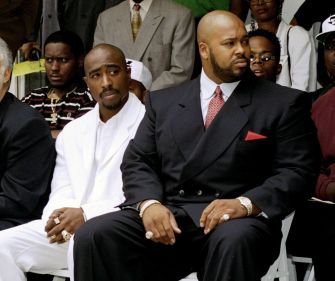
As the 30th anniversary of Tupac Shakur’s killing approaches, members of his family have launched a new legal effort seeking answers and accountability in one of hip-hop’s most enduring unsolved cases. Attorneys representing Maurice Shakur, the rapper’s stepbrother, have filed a wrongful death lawsuit in Los Angeles, alleging that Tupac’s 1996 murder was the result of a far-reaching conspiracy involving multiple individuals who have never been held responsible.
The civil complaint, obtained by media outlets, claims that the killing was not an isolated act of retaliation but part of a broader, coordinated effort. “This action seeks to change that and to recover damages for the wrongful death of Tupac,” the filing states, asserting that numerous participants in the alleged conspiracy have either died or remain unidentified nearly three decades later.
The lawsuit names 99 unnamed co-conspirators, signaling the plaintiffs’ intent to use the discovery process to uncover additional details about those who may have participated in planning, financing, or carrying out the killing. According to the filing, while certain names have emerged through prior investigations and public reporting, the full scope of involvement remains unclear.
The legal action comes amid renewed attention on the case following the 2023 arrest of Duane "Keefe D" Davis, who has been charged in connection with the shooting and is currently awaiting trial. Prosecutors allege that Davis was present in the white Cadillac that pulled alongside Shakur’s vehicle on the night of Sept. 7, 1996, near the MGM Grand in Las Vegas. According to authorities, Shakur was struck by gunfire multiple times during the attack and later died from his injuries.
Davis has pleaded not guilty to the charges. His trial is scheduled to begin on Aug. 10, 2026. He is currently being held at Nevada’s High Desert State Prison following separate convictions tied to a jailhouse altercation.
The wrongful death lawsuit is different from the ongoing criminal proceedings against Davis, but it draws in part on evidence and testimony connected to that case. The complaint references recent grand jury materials as well as claims highlighted in the Netflix documentary Sean Combs: The Reckoning, which includes a recorded police interview in which Davis allegedly stated that music executive Sean Combs offered him $1 million to carry out the killing.
Combs has strongly denied that allegation, calling the documentary a “shameful hit piece.” He has not been charged in connection with Shakur’s death.
The lawsuit also points to Davis’ own published account of the events in his memoir, Compton Street Legend, where he describes the moments leading up to the shooting. In the book, Davis recounts that Shakur appeared to reach under his seat as their vehicles pulled alongside each other, prompting someone in Davis’ car to open fire. The narrative, while detailed, has not been tested in court and remains part of a contested record surrounding the case.
Shakur, who was 25 at the time of his death, was one of the most influential figures in hip-hop, known for his socially conscious lyrics and cultural impact. His killing, which occurred during a period of heightened tensions within the music industry, has long been the subject of speculation, conflicting accounts, and unresolved questions.