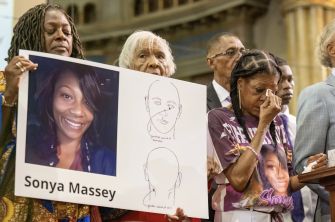
A former Illinois sheriff’s deputy has been sentenced to 20 years in prison for the fatal shooting of Sonya Massey, a 36-year-old mother who called 911 to report a possible prowler outside her Springfield home. The sentence, imposed Thursday, is the maximum allowed under state law and concludes the criminal case.
The former deputy, Sean Grayson, was convicted last fall of second-degree murder after a jury trial. Prosecutors had charged him with three counts of first-degree murder, which carried the possibility of a life sentence. Grayson has been held in custody since he was charged. At sentencing, the judge rejected a defense request for a substantially shorter term based on Grayson’s medical condition, which includes late-stage colon cancer that has spread to other organs.
Grayson apologized to Massey’s family in court, saying he made serious mistakes and failed to act appropriately during the encounter. Massey’s parents and her two children urged the judge to impose the longest sentence available. They described lasting harm and said her death left them fearful of seeking help from law enforcement. Massey’s mother told the court she no longer feels safe calling the police.
The shooting occurred in the early morning hours of July 6, 2024, after Massey contacted emergency services from her home and reported believing someone was outside. Evidence at trial, including body camera footage, showed Grayson and another deputy searching the yard before entering the residence. The second deputy was not charged.
Inside the home, Massey appeared distressed and disoriented. Video footage showed her invoking religious phrases while speaking with the officers. Grayson noticed a pot on the stove and directed his partner to move it. Instead, Massey retrieved the pot and commented on Grayson stepping back from the hot water. The exchange escalated quickly.
Grayson drew his firearm and ordered Massey to drop the pot. She set it down and moved behind a counter, but soon appeared to lift it again. Grayson then fired his weapon, striking Massey in the face. He later testified that he believed she was about to throw the hot water on him and feared serious injury.
Jurors declined to convict Grayson of first-degree murder. Under Illinois law, second-degree murder applies when a person causes a death while honestly believing deadly force is necessary, even if that belief is not reasonable. The statute distinguishes between intentional murder and an unlawful killing based on an unjustified perception of threat.
That distinction reflects constitutional limits on police authority. Officers may use deadly force only when they reasonably believe it is necessary to prevent death or serious bodily harm. Courts apply an objective standard, asking whether a reasonable officer in the same situation would have perceived an immediate and severe threat. An officer’s personal fear does not justify deadly force if the surrounding facts do not support it. Jurors concluded Grayson’s actions exceeded those legal limits.
Second-degree murder functions as a statutory middle ground. It allows accountability when a killing is unlawful but does not meet the legal threshold for premeditated or intentional murder. The verdict recognizes flawed judgment under stress while still imposing criminal responsibility. Massey’s family criticized the outcome, saying it reflected broader racial disparities in the justice system.
Prosecutors urged the court to impose the maximum sentence, arguing Massey would still be alive had a different officer responded to the call. Illinois sentencing law gives judges discretion within defined ranges, allowing them to weigh factors such as abuse of authority, severity of harm, and impact on victims. The judge determined that those factors supported the longest sentence permitted.
Massey’s death also led to civil and governmental action. Her relatives reached a $10 million settlement with Sangamon County, resolving civil claims tied to the shooting. Civil settlements do not determine criminal guilt but allow families to seek financial recovery from government entities for alleged misconduct by employees acting within their duties.
The shooting prompted a federal review of local law enforcement practices. The U.S. Department of Justice examined the county’s policing policies, focusing on systemic compliance with federal law rather than individual criminal liability. The inquiry ended with an agreement requiring additional de-escalation training, expanded use-of-force data collection, and leadership changes within the sheriff’s office. The sheriff who hired Grayson later retired.
State lawmakers also enacted measures requiring greater transparency about the backgrounds of law enforcement candidates, aimed at strengthening hiring standards and reducing the risk of future use-of-force incidents.
Grayson’s attorneys sought a new trial, but the judge denied that request at the start of the sentencing hearing. With sentencing complete, the criminal proceedings have concluded. Grayson will serve his sentence in state prison, and the conviction remains in effect.