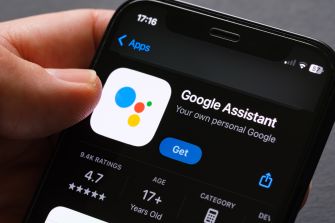
Google has agreed to pay $68 million to settle a proposed class action lawsuit alleging that its Google Assistant feature recorded private conversations on Android devices without users’ consent. The settlement was filed on January 26 in a federal court in California and requires approval from U.S. District Judge Beth Labson Freeman.
The lawsuit centers on Google’s voice-activated assistant, which is built into many Android phones and connected devices. Users allege that the assistant sometimes activates unintentionally, causing phones to record conversations that were not meant to be captured. The filing claims those recordings were transmitted to Google’s servers and that information derived from them was used to support targeted advertising.
Google denied the allegations as part of the settlement process and said it agreed to resolve the case to avoid the cost and uncertainty of continued litigation. According to a report by the BBC, the company maintains that Google Assistant does not transmit audio while in standby mode and only begins recording after detecting a designated activation phrase such as “Hey Google.”
Under the proposed settlement, people who owned eligible Google devices dating back to May 2016 may qualify for compensation. The settlement fund totals $68 million, though lawyers representing the users may ask the court to approve legal fees of up to one-third of that amount, or roughly $22 million.
Google Assistant is designed to remain inactive until it detects that trigger phrase. Once activated, the device records audio and sends it to Google’s servers for processing, allowing users to ask questions, search for information, or control connected devices such as lights and televisions. The lawsuit alleges that the software sometimes mistook background speech or ambient sounds for the activation phrase, leading to recordings of conversations users believed were private.
Google is one of the world’s largest technology companies, with operations spanning internet search, mobile software, cloud services, and consumer hardware. The company generates the majority of its revenue from digital advertising, which relies heavily on data collected through its products and services. Google has previously faced lawsuits and regulatory scrutiny related to how consumer data is collected and used. The claims in this case focus specifically on audio recordings generated by voice-activated software and whether users meaningfully consented when those recordings occurred unintentionally.
At the center of the lawsuit are laws governing the recording of private communications. Many states, including California, restrict the recording of confidential conversations without consent. Disputes involving voice-activated devices often turn on whether consent was valid at the moment a recording occurred, particularly when activation happens unintentionally rather than in response to a deliberate command.
The case also relies on consumer protection laws that prohibit unfair or deceptive business practices. Users argue that Google’s descriptions of how Google Assistant operates did not adequately reflect the risk that the feature could activate by mistake and record private conversations. Courts reviewing similar claims typically examine whether company disclosures accurately describe how a product functions in real-world use and whether those disclosures are clear to an average consumer.
Another issue raised involves how personal data is handled and whether it is connected to advertising practices. Privacy lawsuits often distinguish between the collection of data and how that data is later used. The claims here allege that audio recordings were linked to advertising profiles, a point Google disputes. Such allegations can carry legal significance under privacy and consumer protection laws even when a company denies that the data was used for that purpose.
The settlement follows a similar lawsuit involving Apple, which agreed earlier this month to pay $95 million to resolve claims related to its Siri voice assistant. Users in that case alleged that Apple devices recorded private conversations without permission. Apple denied the allegations, stating that it did not record, disclose, or fail to delete conversations resulting from unintended Siri activations without consent.
Google denied the allegations and agreed to the settlement without admitting wrongdoing.