Humble Pie: California-Based Cheesecake Factory Fined $125,000 by Feds

by Diane Lilli | Dec 08, 2020
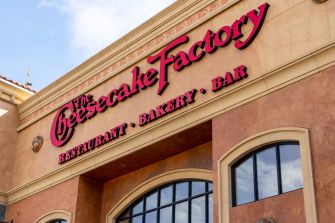
Signage of The Cheesecake Factory restaurant, featuring its name prominently along with the terms "Restaurant," "Bakery," and "Bar."
Photo Source: The Cheesecake Factory (Shutterstock Image)

The Cheesecake Factory was served something off the menu by the Feds on December 4: a whopping $125,000 fine. The California-based company with 300 national restaurants in the US and Canada allegedly was caught hiding cash that the dining chain was losing in the early days of the COVID-19 Pandemic.

In a settlement on Friday, the popular company famous for its cheesecake and causal dining venues agreed to pay the Securities and Exchange Commission (SEC) the $125,000 fine in the historic settlement. The SEC has never before filed charges against a publicly-traded entity for hiding from investors and the public financial losses due to the pandemic.

The Cheesecake Factory agreed to pay the $125,000 fine to the Feds but did not admit any form of wronging. At the same time, they did not deny any of the SEC allegations.

In a statement released by the SEC, the director of the SEC’s enforcement division Stephanie Avakian said, “When public companies describe for investors the impact of COVID-19 on their business, they must speak accurately.”

In March, the pandemic wreaked chaos among most restaurants, and The Cheesecake Factory was no exception to the nationwide crisis among restaurants and bars. The company furloughed 90 percent of its staff, impacting about 41,000 employees.

Yet despite the massive furloughs and numerous stay-at-home orders in multiple states where the chain operates, The Cheesecake Factory issued its regulatory filings in both late March and early April as “operating sustainably.”

The SEC investigated and discovered the company was losing about $6 million per week at the time. Their books revealed they had only about four months left in cash, according to the SEC.

The SEC noted, “According to the order, the filings were materially false and misleading because the company's internal documents at the time showed that the company was losing approximately $6 million in cash per week and that it projected that it had only 16 weeks of cash remaining.”

At issue in the Feds’ fine is that The Cheesecake Factory, as a publicly-traded company, did not disclose these financial realities to investors. The SEC alleges the company did, however, share the truth about its deep losses and work with lenders and other investors in order to create more liquidity.

The SEC also noted The Cheesecake Factory as far back as its March 23 regulatory filing had already informed its landlord it wouldn’t pay the April rent for any of its restaurants, contrary to its more positive filing with the SEC.

As part of the SEC settlement, the company must now “cease and desist” from all and any violations when reporting standards to the SEC.

Share This Article

If you found this article insightful, consider sharing it with your network.

Diane Lilli
Diane Lilli is an award-winning Journalist, Editor, and Author with over 18 years of experience contributing to New Jersey news outlets, both in print and online. Notably, she played a pivotal role in launching the first daily digital newspaper, Jersey Tomato Press, in 2005. Her work has been featured in various newspapers, journals, magazines, and literary publications across the nation. Diane is the proud recipient of the Shirley Chisholm Journalism Award.

Related Articles

Estée Lauder cosmetics display featuring rows of makeup and skincare products in a retail setting.

Estée Lauder’s $210 Million Investor Fraud Settlement Wins Final Approval

A federal judge has approved a $210 million settlement for investors who accused Estée Lauder of overstating its growth prospects while the company faced mounting pressure from a Chinese crackdown on a lucrative cosmetics resale market.The agreement resolves securities fraud claims against the beauty company and former CEO Fabrizio Freda... Read More about Estée Lauder’s $210 Million Investor Fraud Settlement Wins Final Approval

Bank of America sign and logo outside a bank branch.

Bank of America Hit With $1.2 Billion Fine After Failing to Report $5 Billion in Suspicious Transactions

Bank of America has been hit with more than $1.21 billion in federal penalties after admitting to willfully violating U.S. anti-money laundering laws and failing to report more than $5 billion in suspicious transactions, including activity potentially linked to Chinese money laundering networks and illicit financing along the southern border.Announced... Read More about Bank of America Hit With $1.2 Billion Fine After Failing to Report $5 Billion in Suspicious Transactions

Menu board and kitchen area of Taqueria Garibaldi, a California-based taqueria.

Confessions of a Taco Maker: DOL Orders Cali Chain to Pay $140,000 Back Wages and Damages for Fake Priest Confessional

The Department of Labor (DOL) ordered Taqueria Garibaldi, a taqueria in California, to pay $140,000 in back wages plus damages for infractions. The owners of the restaurant, which has locations in Sacramento and Roseville, are charged with unique infractions, including allegedly hiring a “fake” priest to take confessions of employees... Read More about Confessions of a Taco Maker: DOL Orders Cali Chain to Pay $140,000 Back Wages and Damages for Fake Priest Confessional

Signage for Hertz, a company that filed for Chapter 11 bankruptcy during the COVID-19 pandemic.

GAO Finds That Top Execs Aren’t Worried About Their Last Payday Before Bankruptcy

The Government Accountability Office (GAO) recently released a report examining over 7,000 companies that filed for bankruptcy in the 2020 fiscal year. They found that 42 debtor companies, including Hertz and Neiman Marcus, paid out over $165 million in incentive bonuses to their executives just before filing for Chapter 11... Read More about GAO Finds That Top Execs Aren’t Worried About Their Last Payday Before Bankruptcy

Legal term

Search articles and Legalpedia

Subscribe to Newsletter