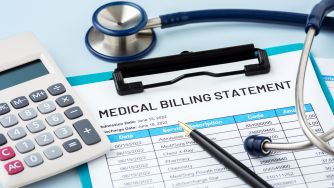
Illinois has erased more than $1.4 billion in medical debt for nearly 700,000 residents through a state program that requires no application from patients. People whose qualifying bills are purchased through the program are notified by mail that some or all of the debt has been canceled.
Gov. JB Pritzker announced the milestone on October 15, 2026, saying the Illinois Medical Debt Relief Program has now reached more than 694,000 people across all 102 counties. The initiative has surpassed its original $1 billion debt-relief goal while using less than $10 million in state funds.
State officials say recipients have received more than $1,200 in relief on average. At the far end of the spectrum, one Illinois resident had more than $900,000 in medical debt erased.
Illinois does not pay hospitals the full amount patients owe. Instead, the state works with the nonprofit Undue Medical Debt, which negotiates with participating hospitals, health systems and other creditors to buy or receive portfolios of unpaid medical bills at deeply discounted amounts. Once acquired, qualifying debts are permanently canceled.
That purchasing model allows a relatively small amount of public money to eliminate much larger balances. Illinois officials say every $1 invested in the program has erased more than $100 in medical debt.
The statewide initiative was established under the Illinois Medical Debt Relief Act, signed into law on July 2, 2024. The law authorizes the Illinois Department of Healthcare and Family Services to fund the acquisition and cancellation of qualifying medical bills, including debts that have already been sent to collections.
Illinois residents can qualify in either of two ways. Household income must be at or below 400% of the federal poverty guidelines, or medical debt must equal at least 5% of household income. The second route allows some households above the income threshold to qualify when medical bills consume a substantial share of their earnings.
Patients do not submit applications or ask the state to review their bills. The program instead reviews debt portfolios made available by participating healthcare providers and identifies accounts that meet Illinois eligibility requirements. People whose debt is selected receive a letter notifying them that the qualifying balance has been erased.
That automatic process also means eligibility does not guarantee that every medical bill will disappear. Relief is available only when the hospital, health system or other creditor holding a debt participates and makes those accounts available to the program. A resident could therefore have one qualifying medical bill canceled while remaining responsible for another.
The law also includes protections intended to prevent canceled medical debt from creating a new tax problem. The nonprofit administering the program must structure the relief so the cancellation does not create a taxable event, and Illinois provides a state income-tax deduction when qualifying medical debt relief is included in federal adjusted gross income.
The program has reached substantial portions of the population in some communities outside Chicago. In Kankakee County, 22,889 residents, about 21.5% of the county’s population, have received relief. In Massac County, nearly 24% of residents have benefited from the initiative.
Illinois’ statewide effort grew out of an earlier Cook County program that began using federal pandemic-relief funds to purchase and cancel residents’ medical debt. By August 2026, the county initiative had erased more than $1 billion in outstanding bills for more than 791,000 people.
Together, state and county officials say the programs have eliminated more than $2.4 billion in medical debt for roughly 1.5 million Illinois residents.
Medical debt can linger long after a hospital stay, surgery or treatment has ended, particularly when insurance leaves a patient responsible for deductibles, coinsurance or services that were not fully covered. Illinois’ program does not change the original price of medical care or require providers to forgive every unpaid bill. Instead, it targets existing debt that participating creditors are willing to make available for purchase and cancellation.
More Illinois residents could receive similar notices as hospitals and other participating healthcare providers make additional debt portfolios available. The statewide program remains dependent on funding and creditor participation and is currently authorized through June 30, 2029.
For people who qualify, there is still nothing to fill out or submit. The first indication that relief has arrived may simply be a letter saying a medical bill they had been carrying is no longer owed.