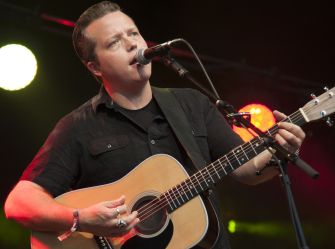
Jason Isbell and three other musicians have filed a proposed class action against AI music generator Suno, alleging its technology exploits artists’ names, voices and other identifying traits to generate music that evokes them without permission.
The lawsuit was filed Aug. 31 in federal court in Massachusetts by Isbell, David Lowery of Camper Van Beethoven and Cracker, blues musician Guy Forsyth and jazz saxophonist Eduardo Calle. The musicians are seeking unspecified damages and a court order barring Suno from using artists’ identities without authorization.
Unlike many lawsuits targeting generative AI music companies, the case does not center on whether Suno copied a particular song or recording. The musicians instead accuse the company of violating their rights of publicity by building a system that allegedly recognizes artists by name and produces music associated with their identities.
Suno disputes the claims and says it will fight the lawsuit. The company says its platform is designed to help users create original music, not imitate existing artists, and that when prompts reference specific musicians, it removes their names and redirects the requests toward broader musical characteristics. Suno also says it uses safeguards intended to reduce unauthorized reproductions.
The complaint argues those safeguards do not prevent Suno from generating artist-specific material.
As one example cited in the complaint, entering “Jason Isbell” into Suno produced an Americana song called “Paper Bell” with what the lawsuit describes as Isbell’s characteristic clear male vocals and country twang. The generated description referenced contemporary Americana and fingerpicked acoustic guitar, while accompanying artwork depicted a rural church scene.
The complaint does not allege that “Paper Bell” copied a specific Isbell composition. Instead, it says Suno responded to his name by drawing on traits associated with him as a performer.
The case relies on right-of-publicity claims rather than copyright infringement. Copyright protects works such as songs and sound recordings, while right-of-publicity laws can protect the commercial use of a person’s name, likeness, voice, and other identifying characteristics.
Those protections are largely governed by state law rather than a single federal publicity-right statute. The complaint asserts claims under the laws of multiple states and Puerto Rico, along with a California common-law claim. It also brings an Illinois biometric privacy claim tied to the alleged use of musicians’ identifying voice characteristics.
The lawsuit also challenges Suno’s claim that users cannot prompt its system with specific artists’ names. According to the complaint, some restrictions can be bypassed by placing spaces between the letters of a musician’s name.
The filing says a prompt using “m i c h a e l j a c k s o n” produced two songs titled “Glovebox Moonwalk,” described as 1980s pop-funk tracks. The generated material allegedly included imagery of a white glove and references to the moonwalk, characteristics closely associated with Michael Jackson.
The lawsuit cites those tests as evidence that Suno’s system can still recognize an artist and produce material associated with that person even when an exact name is filtered.
Suno is also facing separate copyright litigation from Sony Music and Universal Music Group over recordings allegedly used to train its AI models.
Isbell and the other musicians are seeking to represent a broader class of artists whose identities they allege Suno used without permission. The case is in its early stages, and no class has been certified.