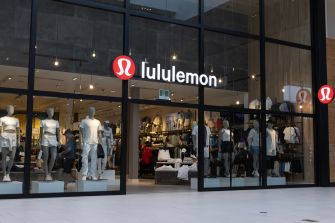
A federal appeals court pressed Lululemon over its attempt to force a warehouse employee's wage lawsuit into private arbitration, questioning whether workers who prepare merchandise for shipment qualify for a federal exemption covering transportation employees.
During arguments on November 17, 2026, judges on the U.S. Court of Appeals for the Ninth Circuit questioned the retailer's position that picking products from warehouse shelves falls outside the transportation worker exemption under the Federal Arbitration Act. The dispute could determine whether Alma Berdugo can pursue her proposed class action against Lululemon and staffing company Logic Staffing LLC in court.
U.S. District Judge Sunshine Sykes denied the companies' request to compel arbitration in October 2025, finding that Berdugo's employment fell within the federal exemption. Lululemon and Logic Staffing appealed, arguing that her warehouse duties were too far removed from interstate transportation to qualify.
Berdugo accuses the companies of violating California labor laws, including requirements governing wages, overtime, meal and rest breaks, and employee reimbursements. Her proposed class action seeks to hold them accountable for alleged violations affecting warehouse employees.
At Tuesday's hearing, the judges challenged the companies' argument that Berdugo's responsibilities were insufficiently connected to interstate commerce. Their questions focused on the role warehouse employees play in preparing merchandise for shipment and whether those duties form part of the transportation process.
Lululemon's argument turns on an exception to the Federal Arbitration Act, which generally requires courts to enforce arbitration agreements. The exemption covers certain transportation workers engaged in interstate or foreign commerce, including employees whose duties directly involve moving goods across state lines.
The Supreme Court addressed the exemption in a 2022 ruling involving a Southwest Airlines employee who loaded and unloaded cargo, finding that workers who physically handle goods traveling across state lines can qualify regardless of whether they personally cross state borders. In 2024, the justices clarified that eligibility depends on employees' duties rather than their employer's industry.
Lululemon and Logic Staffing also argue that the district court should have held an evidentiary hearing to resolve disagreements over Berdugo's actual responsibilities. Berdugo maintains that handling merchandise within the distribution process places her work within the federal exemption.
The appellate judges also examined whether California arbitration law could provide an alternative basis for enforcing the agreement. An employee's exemption from the federal statute does not automatically prevent arbitration under state law.
The Ninth Circuit has taken the case under consideration. Its decision could allow Berdugo's proposed class action to proceed in federal court or require further proceedings over enforcement of the arbitration agreement.