A federal judge has struck down New York's ban on buying body armor, ruling that the Second Amendment protects bulletproof vests and other defensive equipment, not just firearms. The decision found that the state failed to establish a historical justification for restricting purchases by ordinary residents.
U.S. District Judge John L. Sinatra Jr. of the Western District of New York issued the ruling Wednesday, October 21, 2026, ordering the state to stop enforcing its purchase and sale restrictions. The judge stayed the injunction for 14 days, keeping the law in effect while New York has an opportunity to seek appellate relief.
New York enacted the restrictions in 2022 after a gunman wearing body armor killed 10 Black people and injured three others at a Tops supermarket in Buffalo. The legislation limited purchases to people in designated professions, including law enforcement and certain security occupations.
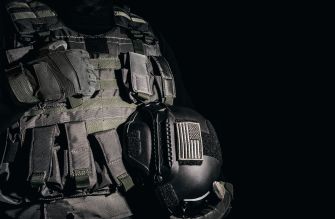
Under the law, residents outside those approved professions faced criminal penalties for purchasing or taking possession of body armor, while businesses were prohibited from selling it to them. The restrictions covered bulletproof vests, ballistic plates and other protective clothing designed to stop gunfire.
The constitutional challenge came from New York residents Benjamin Heeter and Joseph Wurtenberg, along with the Firearms Policy Coalition, who argued that the legislation prevented ordinary citizens from acquiring protective equipment for self-defense. Their lawsuit, Heeter v. James, named Attorney General Letitia James and other state officials as defendants.
Sinatra sided with the challengers, finding that the Second Amendment's protection of arms extends to equipment designed to defend against attacks. His ruling drew on historical definitions discussed in the Supreme Court's 2008 decision in District of Columbia v. Heller, including a definition encompassing weapons used for offense and armor used for defense.
The judge then applied the constitutional standard established by the Supreme Court in New York State Rifle & Pistol Association v. Bruen in 2022, which requires governments to demonstrate that regulations restricting protected conduct are consistent with the nation's historical tradition of regulating arms.
New York pointed to centuries-old English laws restricting the wearing of armor, but Sinatra found those examples insufficient to justify prohibiting ordinary residents from purchasing protective gear. He distinguished historical restrictions on where armor could be worn from laws preventing people from acquiring it for lawful self-defense.
The state also argued that modern body armor falls outside the Second Amendment because materials such as Kevlar did not exist when the Constitution was adopted. Sinatra rejected that reasoning, citing Supreme Court precedent extending constitutional protections to later technological developments.
His ruling grants summary judgment to the challengers, resolving the constitutional dispute without a trial. The permanent injunction bars enforcement of New York's purchase and sale restrictions, while a separate state law making it a crime to wear body armor during certain violent felonies involving a firearm remains intact.
New York may ask the U.S. Court of Appeals for the Second Circuit to suspend the injunction while it challenges the ruling. Until the 14-day stay expires or a higher court intervenes, the state's restrictions on purchasing body armor remain enforceable.