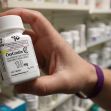
A federal judge in New Jersey has delayed the criminal sentencing of OxyContin maker Purdue Pharma after deciding victims of the opioid crisis should be allowed to attend the hearing in person, with sentencing expected to clear the way for a settlement resolving thousands of opioid-related lawsuits.
U.S. District Judge Madeline Cox Arleo had planned to impose the sentence during a virtual proceeding but changed course after seeing victims gathered outside the courthouse in Newark. The court is expected to order Purdue to forfeit $225 million to the federal government, a criminal penalty tied to the company’s earlier guilty plea and a required step before the broader opioid settlement can move forward.
The payment stems from a 2020 plea agreement in which Purdue admitted to federal criminal violations. If the sentence is entered as expected, the agreement could take effect as early as May and resolve thousands of lawsuits over the company’s role in the opioid crisis.
Purdue, based in Stamford, Connecticut, pleaded guilty in 2020 to three federal charges. The company admitted it did not have an effective system to prevent its prescription opioids from being diverted to illegal markets, despite telling the U.S. Drug Enforcement Administration that it did. It also acknowledged paying doctors through speaker programs to promote its drugs and funding a medical records company to provide information that encouraged more opioid prescribing.
OxyContin played a key role in the opioid crisis, which has been linked to hundreds of thousands of overdose deaths in the United States since the late 1990s. The company’s marketing and sales practices have been widely cited in lawsuits tied to the crisis.
The case includes both criminal charges and civil lawsuits. Criminal enforcement addresses whether a company broke the law and can lead to penalties such as fines or forfeiture. Civil cases, brought by governments and individuals, seek compensation for harm linked to opioid addiction.
Under the deal, the federal government will not collect billions of dollars in additional fines and penalties, with those amounts incorporated into a larger settlement funded in part by the company’s owners.
Members of the Sackler family have agreed to contribute up to $7 billion, with most of the funds directed to state, local, and tribal governments for addiction treatment and prevention efforts, and a portion set aside for individual victims. The agreement also includes a provision that would protect the family from future opioid-related lawsuits brought by parties that accept the settlement. No individual members of the family were charged in the criminal case, even though they received billions of dollars from Purdue in prior years.
Under the plan, Purdue would be dissolved and replaced by a new entity, Knoa Pharma, which would operate for public benefit with a board appointed by participating states.
More than 54,000 people with claims against Purdue voted to accept the settlement, while a smaller group opposed it. Some victims and their families continue to oppose the settlement, and a filing submitted Tuesday asked the court to direct the federal government’s share of the funds toward medical care for victims.
The sentencing hearing is scheduled for next week in federal court in Newark.