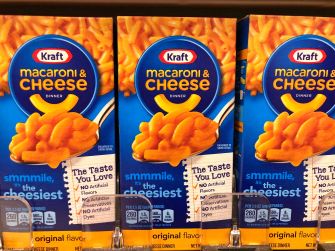
San Francisco has filed a lawsuit against 11 major food manufacturers, alleging that they made and marketed ultra-processed foods that contributed to chronic disease and increased public-health costs. The complaint, brought by the People of the State of California through City Attorney David Chiu, claims the companies relied on additives used in large-scale food production without adequately disclosing the risks associated with long-term consumption.
The defendants include Kraft Heinz, Mondelez, Post Holdings, Coca-Cola, PepsiCo, General Mills, Nestle USA, Kellanova, WK Kellogg Co, Mars, and ConAgra. These companies sell products categorized as ultra-processed foods, or UPFs, according to the complaint.
UPFs are created with additives such as emulsifiers, artificial colors, flavor enhancers, and non-nutritive sweeteners, made using production methods not found in home cooking. International health organizations have associated high UPF consumption with increased risks of obesity, diabetes, cardiovascular disease, certain cancers, and other chronic illnesses. The filing cites this research to support its claims about the long-term health effects of consuming ultra-processed foods.
The lawsuit states that UPFs encourage overconsumption. Studies referenced in the filing reported that participants consumed more calories when provided UPFs than when offered less processed foods with similar nutrient profiles. The complaint also alleges that manufacturers used marketing practices aimed at encouraging long-term buying habits, particularly among children.
The City asserts two causes of action. The first alleges violations of California’s Unfair Competition Law, which permits officials to challenge business practices they consider unlawful, unfair, or fraudulent. A business practice may be considered unfair when it harms consumers, violates public policy, or creates harms that substantially outweigh any benefits. The statute also addresses omissions, meaning companies may be liable for failing to disclose important information that consumers would not be able to find on their own. The complaint argues that the companies acted unfairly by promoting foods linked to health risks and engaged in deceptive practices by withholding information described in scientific studies.
The second claim is public nuisance, a doctrine used when conduct is alleged to harm a community or interfere with public rights. Public-nuisance claims are commonly brought by governments rather than individuals because they involve effects felt across a community. Similar theories have appeared in litigation involving tobacco, opioids, and environmental hazards, where officials argue that industry practices contributed to broad harm. San Francisco contends that UPFs created similar burdens in the city. In civil actions, a defendant does not need to be the sole cause of the harm; it is enough for the conduct to be a substantial factor contributing to the conditions described in the complaint, a standard often applied when many factors may contribute to the health issues alleged.
Both legal theories allow governments to seek remedies beyond monetary damages. The City requests abatement, which may include public-education efforts or adjustments to marketing and labeling practices. It also seeks injunctive relief requiring changes to how UPFs are presented to consumers. Abatement focuses on reducing or eliminating alleged harms, while injunctions are aimed at preventing future conduct. Both remedies are commonly sought together in public-health litigation.
California recently enacted a statute that defines UPFs by their additives and processing methods, establishing a standard definition for these products under state food regulations.
The case remains pending before the San Francisco Superior Court.