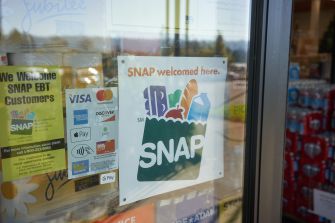
A coalition of 26 states and the District of Columbia has filed a federal lawsuit against the U.S. Department of Agriculture and the Office of Management and Budget, claiming the agencies unlawfully suspended Supplemental Nutrition Assistance Program payments for November despite having the funds to maintain them.
Filed October 28 in the U.S. District Court for the District of Massachusetts, the complaint alleges that the suspension violates federal law and the Administrative Procedure Act by cutting off essential food benefits for millions of low-income residents during the ongoing government shutdown.
According to the filing, the USDA instructed state agencies in early and mid-October to stop submitting data needed to load monthly benefits onto electronic cards, effectively pausing all SNAP payments nationwide. The agency confirmed the suspension in a letter sent on October 24, stating that all November 2025 benefits would be halted effective November 1 and would not resume until Congress restored funding or the department issued new guidance.
The states say this is the first time in the program’s history that benefits have been disrupted during a lapse in federal appropriations. They argue the decision was made without a valid legal basis and ignored available funding sources.
The complaint centers on roughly six billion dollars that Congress had previously set aside in a contingency reserve to keep SNAP operating in emergencies. The states claim that the USDA and the budget office refused to use that reserve or other legally available accounts, even though federal law allows the agency to draw on those funds when regular appropriations are delayed or exhausted.
Under the Food and Nutrition Act of 2008, SNAP is classified as an “appropriated entitlement program.” Once Congress authorizes funding, eligible households are legally entitled to receive their benefits. The law requires the USDA to assist all qualifying participants and only allows reductions when funds are insufficient. The states argue that halting benefits entirely, rather than issuing reduced payments with the available funds, violates this mandate.
The lawsuit also cites the Administrative Procedure Act, which requires federal agencies to make reasoned decisions and explain their actions. The states claim the USDA failed to provide a legal or factual basis for suspending benefits and disregarded the economic and administrative consequences of doing so.
Officials across several states say they are still legally obligated to administer SNAP even without federal reimbursement, which strains local budgets and diverts resources from other programs. Several states have already allocated emergency funding to food banks in anticipation of rising demand. California advanced eighty million dollars to local food programs, while Colorado and Minnesota authorized smaller emergency aid packages.
The lawsuit warns that the suspension will affect millions of households that rely on SNAP for food purchases each month and could increase pressure on food banks and retailers that accept SNAP payments, particularly as the holiday season approaches.
The states are asking the court to order the USDA to release the November benefits using available contingency funds and to prevent further interruptions until Congress restores full funding. They also seek a declaration that the agency’s decision to suspend payments was unlawful.