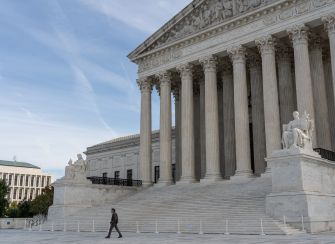
The U.S. Supreme Court on Monday, October 19, 2026, upheld a ruling allowing songwriters to reclaim worldwide copyrights to songs they sold decades earlier, dealing a setback to Universal Music Group, Sony Music, Warner Music Group and BMG. The companies warned that the decision could disrupt billions of dollars in music licensing agreements and decades of industry practice.
The unusual outcome came after Justices Sonia Sotomayor, Neil Gorsuch, Amy Coney Barrett and Ketanji Brown Jackson did not participate, leaving the Court without the six justices required to hear the case. The remaining five affirmed the lower court's judgment under a federal law governing cases without a quorum. The order leaves the ruling intact without establishing a nationwide precedent.
The dispute centers on Cyril Vetter, who co-wrote the 1962 rock song "Double Shot (Of My Baby's Love)" with Donald Smith. The pair transferred their copyrights to Windsong Music Publishers in 1963, giving the company worldwide rights to the song.
In 2019, Vetter invoked a provision of federal copyright law allowing authors to reclaim rights they signed away decades earlier. His termination took effect in May 2022, but a dispute over international television licensing raised questions about whether the publisher still controlled the song overseas.
On January 12, 2026, the Fifth Circuit ruled in Vetter's favor, affirming a Louisiana federal judge's decision that he had recovered his worldwide copyright interests. The appeals court found that the Copyright Act contained no geographical restriction limiting the return of those rights to the United States.
The decision challenged an industry practice under which publishers continued collecting foreign royalties after songwriters reclaimed their domestic rights. Overseas income from streaming, television and international licensing can remain valuable decades after a song's release. The Fifth Circuit reasoned that limiting termination to U.S. rights would undermine Congress's effort to give authors another opportunity to benefit from their work.
The four music companies entered the dispute after the appeals court ruled, acquiring the publisher's interests and seeking Supreme Court review. They argued that the decision departed from decades of established copyright practice and threatened agreements involving billions of dollars. Their petition warned that allowing U.S. termination notices to reach foreign rights could unsettle countless existing contracts.
Vetter's attorneys urged the justices to leave the ruling intact and allow other appeals courts to consider the issue. They disputed the industry's warnings, arguing that publishers would continue to thrive despite having less bargaining power over overseas rights.
Monday's order preserves Vetter's victory within the Fifth Circuit, which covers Louisiana, Mississippi and Texas. Appeals courts elsewhere, including those covering New York and California, remain free to reach different conclusions. A conflicting ruling could eventually return the dispute over worldwide copyright ownership to the Supreme Court.