We use cookies and similar technologies to help our website function, understand how visitors use our site, and improve your experience. Some cookies are necessary for the website to operate, while others may be used for analytics or advertising.
Viewing as a visitor in
Legal News, Information & Blogs
Twenty One Pilots Sue Temu Over Alleged Counterfeit Merchandise
Photo Source: Taylor Hill/FilmMagic via billboard.com
Twenty One Pilots have filed a Trademark InfringementTrademark infringement occurs when someone uses a protected mark in commerce in a way that is likely to confuse consumers about the source, sponsorship, approval, or affiliation of goods or services.Read more → lawsuit against Temu, alleging that the China-based online marketplace has facilitated the sale of counterfeit merchandise bearing the band’s name and artwork. The case, filed in federal court, highlights growing tensions between artists and rapidly expanding e-commerce platforms accused of inadequate oversight of third-party sellers.
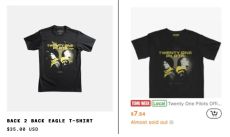
The complaint includes screenshots of product listings on Temu that appear to display unauthorized items. The merchandise cited ranges from T-shirts and mugs to posters and socks, some of which are nearly identical to official products currently available on the band’s website. Other listings allegedly used imagery associated with the band, including the cover of their 2015 album Blurryface.
The lawsuit contends that the unauthorized goods are “confusingly and/or virtually identical” to Twenty One Pilots’ protected trademarks. The filing claims that Temu’s practices have “damaged and put at risk” the band’s brand and intellectual property by knowingly allowing the sale of counterfeit products.
Photo Source: US District Court - Central District of California via people.com
The suit also criticizes Temu’s broader business model, calling the platform a “swamp of infringing and otherwise illegal products.” Attorneys for the band argue that Temu’s structure enables counterfeiters to operate with little consequence, to the detriment of both artists and consumers.
Temu’s Response
Temu issued a statement rejecting the allegations. “Temu respects the intellectual property rights of others and takes all infringement claims seriously,” a company spokesperson said. “While we uphold this commitment, we will vigorously defend ourselves against unfounded allegations.”
The company, which has grown into one of the most downloaded shopping apps in the United States, relies on a network of independent sellers. That model has fueled its rapid expansion but has also drawn scrutiny from artists, brands, and regulators over counterfeit and copyright issues.
The Twenty One Pilots lawsuit arrives amid a broader effort by artists and their representatives to curb unauthorized merchandise sales. Counterfeit goods have long been a challenge for musicians, traditionally concentrated around concert venues where unlicensed vendors sell items to fans. In the digital era, however, the issue has expanded to global online platforms, where unauthorized products can be marketed and shipped directly to consumers.
Merchandise suppliers for artists Benson Boone and Tate McRae recently pursued legal action to prevent the sale of counterfeit items outside live shows. Attorney Jeff Gluck, who represents Twenty One Pilots in this case, also filed a similar lawsuit against Temu in August on behalf of the estate of MF Doom, alleging infringement of that artist’s trademarks.
For artists, merchandise sales are not only a key revenue stream but also an important means of maintaining brand integrity. Counterfeit products, often of lower quality, pose reputational risks when fans mistake them for official goods.
The outcome of the case could carry implications for how international e-commerce platforms are held accountable in U.S. courts for intellectual property violations. While Temu has signaled its intention to defend itself, the suit adds to the legal and reputational challenges facing the retailer as it expands its presence in Western markets.
For Twenty One Pilots, the Ohio-born duo of Tyler Joseph and Josh Dun, the lawsuit underscores the challenges contemporary artists face in safeguarding intellectual property across multiple platforms. Nearly a decade after the release of Blurryface propelled them to global prominence, the band remains a major touring and recording act, with official merchandise continuing to serve as a critical part of their business.
Share This Article
If you found this article insightful, consider sharing it with your network.
Camila studied Entertainment Journalism at UCLA and is the founder of a clothing brand inspired by music festivals and youth culture. Her YouTube channel, Cami's Playlist, focuses on concerts and music history. With experience in branding, marketing, and content creation, her work has taken her to festivals around the world, shaping her unique voice in digital media and fashion.
The Justice Department has sued a California ticket broker and three of its executives, accusing them of bypassing online purchase limits to acquire more than 18.5 million tickets and generate at least $120.8 million in resale profits. The October 15, 2026, lawsuit alleges that REPS & Company used thousands of...
Read
More about Ticket Broker Sued Over 18.5 Million Tickets, $120 Million in Resale Profits »
Warner Music Group has sued the parent company of Ray-Ban and Oakley, accusing the eyewear giant and several affiliates of using 427 copyrighted songs and recordings in social media advertisements without permission, potentially exposing the companies to more than $64 million in statutory damages.Filed October 9, 2026, in Manhattan federal...
Read
More about Warner Music Sues Ray-Ban Owner Over 427 Songs Used in Social Media Ads »
Shein is asking a federal judge to throw out a lawsuit over allegedly unauthorized Selena Quintanilla merchandise, arguing that independent merchants sold the disputed products through its marketplace and that the company cannot be held directly liable for those sales.The motion, filed Thursday in Los Angeles federal court, targets claims...
Read
More about Shein Says It Never Sold Selena Quintanilla Merch in Bid to Toss Lawsuit »
Ticketmaster must face a federal lawsuit accusing the ticketing giant of knowingly allowing professional brokers to evade purchase limits, including allegations that one executive said the company turns a “blind eye” to the practice “as a matter of policy.”U.S. District Judge Maame Ewusi-Mensah Frimpong on September 28, 2026, rejected Ticketmaster...
Read
More about Ticketmaster Must Face FTC Lawsuit After Executive Said It Turns ‘Blind Eye’ to Scalpers »
Shein has lost a UK copyright case against rival online marketplace Temu after a High Court judge rejected its attempt to hold the company responsible for copyrighted clothing photographs uploaded by third-party sellers.Mrs Justice Kelyn Bacon ruled on August 13 that Temu had not authorized sellers to infringe Shein's copyright...
Read
More about Shein Loses UK Copyright Case Against Temu Over Product Photos Posted by Sellers »