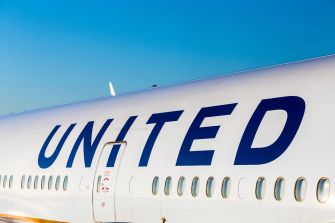
United Airlines must face a proposed class action in California federal court over claims that it charged passengers extra for seats labeled as window seats even though some allegedly had no windows, a federal judge ruled.
U.S. District Judge James Donato denied the airline’s request to dismiss the lawsuit, allowing breach of contract and related consumer protection claims to move forward. The ruling does not determine whether United violated the law, only that the passengers’ allegations are plausible enough to proceed.
The lawsuit was filed in the U.S. District Court for the Northern District of California by passengers who say United’s website, mobile app, tickets, and boarding passes identified certain seats as window seats. The complaint states that travelers paid added fees, used frequent flyer points, or gave up other benefits to select those seats, then found themselves next to a cabin wall.
Passengers claim the airline knew some seats on its planes did not have windows because of aircraft design. The complaint points to Boeing 737s, Boeing 757s, and Airbus A321s, saying some seats are placed where air conditioning ducts, electrical conduits, exit areas, or other interior components prevent a window from being installed.
United argued that “window” describes a seat’s position in the row, meaning beside the cabin wall and away from the aisle, rather than a promise that the seat includes a physical window. The carrier also argued that its contract of carriage did not guarantee an outside view.
Donato rejected that argument in the dismissal ruling. He found it plausible that United’s booking materials and boarding passes could support the passengers’ contract claims because they identified the seats as window seats. The judge said the reservation screen used when buying the ticket made representations at the time of booking that United would provide a window seat.
The dispute turns in large part on what United allegedly promised when passengers selected and paid for seats. In consumer contract cases, courts may consider the words shown to customers during a purchase, along with the ticket, boarding pass, and broader terms that govern the transaction. If those materials identify a paid feature, customers may argue that the feature became part of the bargain.
The added fee also matters to the consumer protection claims. Passengers are not only challenging the seat assignment itself. They claim United sold a specific seat feature and failed to clearly disclose when that feature was missing. California’s Unfair Competition Law allows claims over business practices alleged to be unlawful, unfair, or fraudulent, including misleading advertising.
United also argued that federal airline law blocked the case. The Airline Deregulation Act limits state and local rules that regulate airline prices, routes, or services, and airlines often rely on that statute when challenging consumer lawsuits. But federal law does not automatically bar ordinary contract claims based on an airline’s own promises, a distinction that allows some passenger lawsuits to proceed without creating new state rules for air carriers.
The complaint also claims clearer disclosures were available. Passengers state that other carriers, including American Airlines and Alaska Airlines, have warned customers when certain wall-side seats lack a window view, while United allegedly did not provide a similar warning during the booking process.
United said it added more detail to its seat selection process in 2025 so customers would have more information about what to expect when choosing a seat. A similar lawsuit against Delta Air Lines is pending in federal court in New York, where the airline is seeking dismissal.
The ruling allows the passengers’ breach of contract and related consumer claims to proceed. The case remains pending in the U.S. District Court for the Northern District of California.