
Whole Foods Adds Arbitration Rules, Limits Class Action Lawsuits

by Xiolene Lozano | Nov 19, 2026
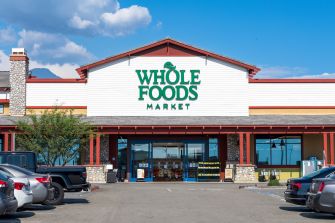
Whole Foods Market storefront with parked cars in front under a partly cloudy sky.
Photo Source: Adobe Stock Image

Whole Foods Market is changing its customer agreement to require private arbitration for most legal disputes and restrict class action lawsuits under new terms that cover shopping at its physical stores and using its websites.

Taking effect November 25, 2026, the changes incorporate Amazon's arbitration agreement, requiring customers to attempt to resolve covered disputes before presenting individual claims to a neutral arbitrator rather than a judge or jury.

Under its previous agreement, customer disputes were directed to state or federal courts in King County, Washington, with both sides waiving the right to a jury trial. The new rules follow Amazon's August decision to reinstate mandatory arbitration and class action restrictions for U.S. customers, five years after removing a similar requirement.

The arbitration requirement applies to disputes arising from or relating to Whole Foods' customer agreement or use of its services, which include shopping at physical grocery stores and using its websites. Whether those restrictions can be enforced against individual shoppers may depend on how customers received notice of the terms and agreed to them.

Qualifying disputes can still be brought in small claims court, and Whole Foods says it will cover most arbitration costs. The company also confirmed that the new arbitration agreement will not apply to litigation already pending before November 25.

Washington state law will continue to govern most disputes, while certain personal injury and property damage claims will be governed by the laws of the state where the injury or damage occurred.

Alongside the legal changes, Whole Foods is expanding its privacy disclosures concerning information collected inside its stores. The revised notice describes the collection of information when customers interact with locked merchandise cases, connect to store Wi-Fi networks or provide identification for age-restricted purchases.

Information about interactions with locked merchandise cases may be collected to facilitate access to products and detect theft. Whole Foods' privacy policies also address how purchases can be associated with Amazon accounts when customers use linked phone numbers, QR codes, or eligible payment methods, a practice already covered under the company's previous disclosures.

Whole Foods has notified customers that continued use of its services constitutes acceptance of the revised agreement. Shoppers who disagree with the terms are instructed to stop using those services before the November 25 effective date.
Share This Article

If you found this article insightful, consider sharing it with your network.

Get more Law Commentary in Google's Top Stories.

Xiolene Lozano
Xiolene is a contributing journalist with more than a decade of experience in management, operations, and client service. Her background spans the veterinary and beauty industries, giving her experience working with businesses, consumers, employees, and service-focused organizations. Xiolene brings a practical business and consumer perspective to her coverage, focusing on making complex news and current events clear and accessible to readers.

Related Articles

StubHub sign displayed on the exterior of a building.

StubHub Customer Loses Class Action Bid Over CEO’s Ticket Fund After Clicking ‘Buy Now’

A StubHub customer has lost his bid to pursue a proposed class action over CEO Eric Baker’s ties to Andro Capital, a professional ticket-resale fund, after a federal judge ruled that clicking “Buy Now” bound him to the platform’s arbitration terms.U.S. District Judge Jed S. Rakoff said Monday that StubHub... Read More about StubHub Customer Loses Class Action Bid Over CEO’s Ticket Fund After Clicking ‘Buy Now’

Exterior of an Amazon building with the Amazon logo prominently displayed on the facade.

Amazon Changes U.S. Customer Terms to Require Arbitration and Bar Class Actions

Amazon has changed the legal terms governing its U.S. customers, requiring most future disputes with the company to be resolved through individual binding arbitration and preventing customers from pursuing class actions. The revised Conditions of Use took effect August 14, with Amazon stating that customers accept the changes by continuing... Read More about Amazon Changes U.S. Customer Terms to Require Arbitration and Bar Class Actions

StubHub banner displayed on the New York Stock Exchange building, with American flags and surrounding skyscrapers.

StubHub Arbitration Ruling Could Lead to More Individual Ticket Buyer Claims

A lawyer serving as lead counsel for a StubHub customer whose proposed class claims were ordered into arbitration says the legal team is considering additional individual claims from ticket buyers, potentially shifting the dispute into what is commonly known as mass arbitration.U.S. District Judge Jed S. Rakoff ruled that plaintiff... Read More about StubHub Arbitration Ruling Could Lead to More Individual Ticket Buyer Claims

Exterior of an Albertsons grocery store with a large blue sign on a wood-paneled facade and a clear blue sky.

Washington State Sues Albertsons Over ‘Buy One Get One Free’ Pricing Practices

Washington state officials have filed a lawsuit against grocery giant Albertsons, accusing the company of misleading shoppers through its widely advertised “buy one, get one free” promotions and collecting millions of dollars in overcharges over several years. The complaint, filed April 27 in King County Superior Court, alleges that Albertsons... Read More about Washington State Sues Albertsons Over ‘Buy One Get One Free’ Pricing Practices

Legal term

Search articles and Legalpedia

Topics

Subscribe to Newsletter