A new bill in Congress would lower the federal overtime threshold from 40 hours to 32 hours for covered workers, eventually requiring time-and-a-half pay once they exceed the shorter workweek.
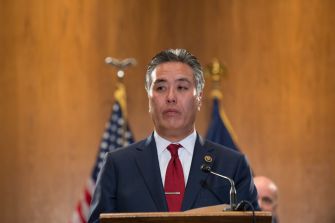
Rep. Mark Takano, D-Calif., introduced the Thirty-Two Hour Workweek Act in the House on Sept. 8. Sen. Bernie Sanders, I-Vt., introduced a Senate companion on Sept. 14, putting versions of the proposal before both chambers.
The legislation would amend the Fair Labor Standards Act, which generally requires covered, nonexempt employees to receive overtime after working more than 40 hours in a week.
The shift to 32 hours would happen gradually. The overtime threshold would fall to 38 hours during the first year of the phase-in, 36 hours during the second, and 34 hours during the third before reaching 32 hours.
Covered employees could continue working beyond the new threshold, but employers would generally have to pay time-and-a-half for the additional hours.
The bill would also create a federal daily overtime requirement. Covered workers would receive time-and-a-half after eight hours in a workday and double their regular rate for work beyond 12 hours.
That would mark a significant change from the current federal system, which generally bases overtime eligibility on hours worked during a week rather than the length of an individual workday.
Despite its name, the proposal would not require every employee to work four days a week. Employers could use different schedules as long as covered workers receive the overtime required under the new weekly and daily thresholds.
The legislation also addresses concerns that employers could respond to the shorter standard by cutting compensation. The bill would bar reductions in total workweek compensation, regular pay rates or employee benefits because a worker becomes covered by the revised overtime rules.
Existing Fair Labor Standards Act exemptions would continue to apply. Certain executive, administrative, professional, outside sales and computer employees can be exempt from federal overtime protections depending on their duties and compensation.
Takano and Sanders have tied the proposal to productivity gains and the growing use of artificial intelligence, automation and other technology. They argue workers should receive more time away from work or additional compensation as technological advances increase productivity.
Sponsors announced support from several major labor organizations, including the AFL-CIO, Service Employees International Union, United Auto Workers and National Nurses United.
The proposal has also drawn opposition over its potential effect on employers. Club for Growth President David McIntosh has argued that moving the overtime threshold to 32 hours could increase labor costs and affect jobs and employee benefits.
Takano first introduced a version of the proposal in 2021, and lawmakers have since brought similar measures before Congress several times. Earlier versions did not become law.
The current House bill, H.R. 10323, was referred to the House Committee on Education and Workforce. Sanders' Senate bill, S. 5384, was referred to the Senate Committee on Health, Education, Labor, and Pensions.
Neither chamber has voted on the legislation.