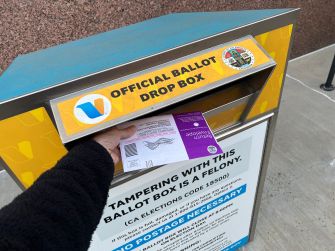
A federal appeals court on Monday rejected the Trump administration's emergency effort to block California from counting mail-in ballots from more than 20,000 voters it suspects are noncitizens, allowing election officials to continue processing votes ahead of the November 3 midterm elections.
The Ninth U.S. Circuit Court of Appeals ruled 2-1 on October 26, 2026, that the Justice Department had appealed prematurely after giving a federal judge just 15 hours to act on its demand that California separate the disputed ballots and verify voters' citizenship before counting them.
Two judges also questioned the administration's legal authority to intervene in California's election procedures, warning that the proposed restrictions could prevent eligible citizens from voting and disrupt ballot counting already underway.
Judges Mark Bennett and Gabriel Sanchez dismissed the emergency appeal because U.S. District Judge David O. Carter had yet to rule on the government's request. Judge Patrick Bumatay dissented.
The dispute began in July when federal immigration agencies informed California officials that they had identified thousands of registered voters believed to be noncitizens. The government developed its list by comparing voter registration records with federal immigration databases and information from third parties.
California questioned the accuracy of the findings and requested details about the methodology. On October 1, the state mailed ballots to registered voters under its election laws.
The Justice Department sent officials a list of more than 20,000 suspected noncitizens on October 13, demanding that they verify the individuals' citizenship within 48 hours or separate their ballots until their eligibility could be established.
Two days later, federal prosecutors sued California, Secretary of State Shirley Weber and Los Angeles County Registrar-Recorder Dean Logan, accusing them of violating federal law by allowing potentially ineligible voters to participate in the election.
Federal law prohibits noncitizens from voting in congressional and presidential elections. The administration argues that California's ballot-processing procedures conflict with that prohibition by allowing votes from individuals whose citizenship it questions to be counted.
California officials challenged the reliability of the government's evidence. A Los Angeles County review of 200 records from the federal list found that many registrations were canceled or inactive, more than 70% of those individuals had never voted in California and nearly 40% of those with recorded birthplaces appeared to have been born in the United States.
By October 21, Los Angeles County had already processed more than 331,000 mail-in ballots. Federal attorneys responded by demanding that Carter rule by noon the following day, accelerating an earlier request for a decision by November 3.
When Carter proceeded with a hearing scheduled for October 27 instead, the administration appealed, arguing that the delay effectively denied its request for emergency relief.
The Ninth Circuit found that the Justice Department had contributed to its own urgency by waiting months to file suit despite knowing about the disputed registrations and California's established election procedures.
In a separate concurring opinion, Bennett, a Trump appointee, questioned the administration's authority to require California to change its voting procedures. He pointed to the Constitution's Elections Clause, which gives states authority over congressional election procedures while allowing Congress to establish federal rules.
Bennett also warned that the proposed restrictions could disenfranchise eligible voters and jeopardize California's ballot-counting process.
Sanchez, appointed by former President Joe Biden, separately argued that imposing new verification requirements during an ongoing election could create confusion and disrupt election administration. He also questioned the reliability of the federal government's citizenship data.
Bumatay, another Trump appointee, dissented, arguing that the federal government had a legal interest in preventing potentially unlawful votes from being counted and that the appeals court should have considered the emergency request.
More than 3 million ballots have already been cast statewide, including more than 500,000 in Los Angeles County, according to figures cited in the litigation.
Carter is scheduled to hear arguments Tuesday on whether California must separate the disputed ballots while voter eligibility is verified, one week before the November 3 election.