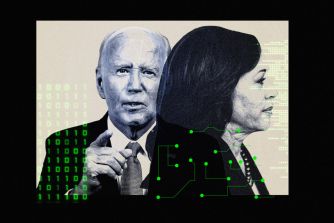
California Governor Gavin Newsom has signed Assembly Bill 2839 into law, which aims to curb the use of deep fake technology and other deceptive media in election-related communications. The law, which took effect immediately as an urgency statute, makes it illegal to knowingly distribute false or manipulated media that could mislead voters or harm candidates during election campaigns.
The law prohibits the distribution of "materially deceptive content"—such as deepfake videos, audio, or images—that portray candidates, election officials, or voting processes in false or misleading ways. The ban applies 120 days before an election and continues for 60 days afterward in certain cases, making it a powerful tool to combat election disinformation during critical election periods.
Under the law, anyone who creates or distributes deceptive media with malice, knowing it is false or intending to mislead the public, could face civil action. Candidates, election committees, or voters can file lawsuits seeking damages or an injunction to stop the spread of manipulated content.
Deepfakes are AI-generated media that can convincingly portray people saying or doing things they never did. These fabricated media files can significantly mislead the public, particularly regarding elections, by creating false narratives about candidates, election officials, or the voting process. For example, bad actors could distribute deepfake videos of a candidate accepting a bribe or election officials claiming voting machines are compromised, swaying voters based on fabricated content.
To prevent misuse, the law requires that any manipulated media used in a political context, such as satire or parody, must include a clear disclosure stating that it has been altered. The required disclosures must be clearly visible or audible, ensuring that viewers and listeners understand the content is not authentic.
The bill was introduced as California braces for an AI-influenced election cycle. As the use of AI-generated disinformation increases, AB 2839 seeks to safeguard voter trust by providing legal recourse against deceptive media aimed at swaying election outcomes.
If a person, committee, or entity violates the law by distributing materially deceptive content, the injured party may file a lawsuit for damages or seek an injunction to halt the distribution. Courts are required to prioritize these cases on their dockets, ensuring swift action during election periods.
The legislation also allows for the recovery of attorney’s fees for prevailing plaintiffs, making it easier for wronged parties to seek justice. Broadcast stations, newspapers, and websites are exempt from liability if they were unaware the media was deceptive, provided they adhere to the law’s disclosure requirements.
This law comes at a critical moment as California prepares for the 2024 elections, with concerns mounting over the potential use of deepfakes and AI-driven disinformation to distort election outcomes. By requiring transparency and providing legal avenues to challenge false media, AB 2839 aims to ensure that California voters can make informed decisions based on authentic information.