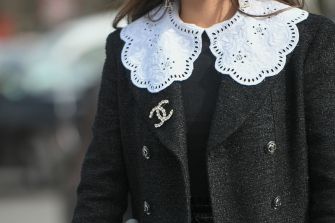
A Paris court sided with Chanel in a trademark case over upcycled jewelry, ruling that the French company Kamad Reworked infringed Chanel’s marks by selling pieces made with Chanel-branded buttons, hardware, and other logo elements.
The May 21 ruling rejected Kamad Reworked’s argument that its necklaces, bracelets, earrings, and other pieces were independent upcycled creations protected from trademark liability because they were made from authentic Chanel goods.
Chanel, founded by Gabrielle “Coco” Chanel, is one of the world’s best-known luxury fashion houses, with goods spanning apparel, handbags, fragrance, jewelry, and accessories. Its interlocking “CC” monogram and CHANEL word mark are recognizable identifiers of the brand and were the marks at issue in the Paris dispute.
Kamad Reworked sold jewelry incorporating Chanel-branded elements, including the “CC” monogram and CHANEL word mark. The French upcycling company claimed it bought authentic buttons and accessories on the secondhand market and reused them in new designs.
The luxury brand argued that the products traded on its marks created confusion and harmed the image tied to goods it did not make or approve.
Trademark exhaustion and consumer confusion were central to the dispute. Exhaustion can limit a brand’s control over genuine goods after they enter the market with the brand’s consent. Trademark law also protects names, logos, and other marks that identify the source of goods.
Kamad Reworked argued that exhaustion protected its jewelry because the company claimed it used authentic Chanel components. The fashion house said Kamad Reworked was not reselling Chanel goods, but using branded parts to create new jewelry that buyers could associate with Chanel.
Paris judges rejected Kamad Reworked’s exhaustion defense. The court found that the company had not proven the branded charms came from genuine Chanel products.
The ruling also said the defense would fail even if the components were authentic. Judges found that Kamad Reworked had incorporated branded charms into “a completely different product,” rather than merely reselling or repairing an existing Chanel item.
The jewelry, the court found, was not likely to have been placed on the market by Chanel or with Chanel’s approval.
The “CC” logo held a dominant position on Kamad Reworked’s jewelry, according to the decision, making consumers likely to connect the products to Chanel. Disclaimers on the company’s website did not cure the problem.
Judges found that language describing the pieces as Kamad creations could increase confusion by suggesting that part of the product came from Chanel.
Kamad Reworked’s certificates of authenticity also drew scrutiny. The jewelry seller supplied certificates to buyers of its upcycled products, a practice the court said could mislead consumers by creating the impression that the jewelry itself was authentic Chanel merchandise. The certificates were treated as part of a misleading commercial practice tied to the trademark infringement.
European trademark law also protects well-known marks from uses that may harm their reputation. The luxury brand said jewelry made outside its control could weaken the exclusivity and quality image associated with its marks. Paris judges credited that concern, citing reputational harm that can come from placing famous brand elements on products not made or authorized by the brand.
Upcycled fashion has grown as designers and sellers turn older garments, hardware, and accessories into new products, often using charms, buttons, and decorative pieces taken from vintage or secondhand goods. Trademark disputes often arise when the new product keeps another company’s logo as a visible selling point.
Chanel was awarded a provisional payment of €75,000, less than the €500,000 the company sought. Kamad Reworked was ordered to disclose sales, inventory, and distribution information to help calculate final damages. The ruling also imposed injunctive relief, including an order requiring the destruction of remaining infringing products.