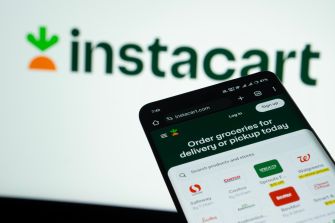
DoorDash has agreed to acquire grocery delivery rival Instacart for approximately $17 billion, a deal that would combine two of the country’s largest delivery platforms and face federal antitrust review over its potential effects on grocery prices, competition, and gig workers.
The companies announced the agreement Thursday, October 29, 2026, offering Instacart shareholders $65 per share in cash, DoorDash stock or a combination of both. The purchase would give DoorDash control of Instacart’s grocery delivery business, retailer partnerships, and technology used by grocery chains to manage online orders.
DoorDash has expanded rapidly beyond restaurant deliveries, competing directly with Instacart in the growing online grocery market. Its share of U.S. grocery delivery orders has climbed from 44% to 59% over five years, while Instacart’s share has fallen from 26% to 18%, according to market data reported by The Associated Press.
Combining the businesses would give DoorDash a larger share of grocery deliveries and greater influence over the technology retailers use to sell products online. The acquisition could also affect delivery fees, consumer choices, and the terms grocery stores negotiate with competing platforms.
Federal regulators will review whether the transaction could substantially reduce competition, the standard applied to mergers under the Clayton Act. The Federal Trade Commission could focus on whether the combined company would make it harder for rival delivery services to compete or give DoorDash greater leverage over participating retailers.
DoorDash has defended the acquisition as a way to help smaller grocery stores compete with Walmart and Amazon, which operate extensive shopping and delivery networks. The company says retailers will remain free to use competing delivery services after the merger and continue controlling their relationships with customers.
Instacart would retain its name, app, and technology products, while DoorDash would connect its delivery network with Instacart’s grocery operations.
For customers, the companies are promising access to more than 50,000 additional stores and a combined subscription offering extending benefits across DashPass and Instacart+. DoorDash estimates the arrangement could save subscribers approximately $100 million annually.
The larger network would also bring together substantial information about consumers’ shopping habits and purchasing preferences. How the companies use that data could receive added scrutiny as regulators examine the role personal information plays in online pricing.
Approximately 600,000 independent contractors who shop and deliver orders through Instacart would continue to choose their assignments and could gain access to additional work through DoorDash. The company has also pledged to preserve shoppers’ flexibility to accept orders through either service.
Bringing the two platforms under common ownership, though, would leave gig workers with one fewer major company competing for their labor. Merger reviews can consider effects on workers as well as consumers, including whether consolidation reduces competition for jobs, assignments or earnings.
The proposed acquisition comes one day after the FTC launched a separate inquiry into how DoorDash, Instacart and seven other major companies use personal information to set consumer prices and worker compensation.
The agency ordered the businesses to disclose whether they rely on browsing histories, loyalty programs, purchasing behavior or other personal data to charge customers different prices for comparable goods and services. Investigators are also examining whether gig workers receive different compensation offers based on factors such as their previous acceptance of assignments or information collected through their phones.
FTC Chairman Andrew Ferguson said the agency wants to determine whether companies use personal information to calculate the highest prices consumers may be willing to pay and whether similar practices affect workers’ earnings.
The orders, issued under Section 6(b) of the FTC Act, require the nine companies to provide information within 45 days of receiving the requests. The inquiry is separate from the proposed merger review but adds another layer of regulatory scrutiny around the same companies as they seek approval for the $17 billion deal.
DoorDash and Instacart will continue operating independently while the acquisition moves through the approval process. Instacart’s board has unanimously approved the agreement, and shareholders controlling approximately 19% of its outstanding shares have committed to supporting the transaction.
The deal still requires the expiration or termination of the federal antitrust waiting period and regulatory approvals in Canada and Israel. The companies expect to complete the acquisition by the end of 2027 or during the first half of 2028, depending on the required approvals.