A Florida law governing how social media platforms like YouTube, Twitter, and Facebook censor politicians was struck down last week by U.S. District Judge Robert Hinkle of the Northern District of Florida.
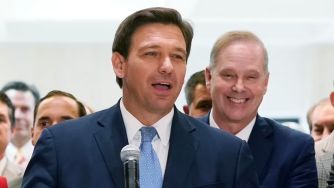
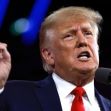
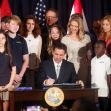
This law was signed by Florida governor Ron DeSantis, and many have called it “Trump-inspired legislation” after the former president was banned from several popular media outlets following the January 6 insurrection.
The law would have limited a social media company’s power to censor Floridian political candidates. The bill explained that “social media platforms have unfairly censored, shadow banned de-platformed” Floridians. The majority of the bill had the potential to force large private social media companies to violate their own rules by allowing the free speech of politicians to be conveyed through their platforms, regardless of what their speech was.
In his ruling, Hinkle found that a law like this would likely be unconstitutional. Hinkle shared in his 31-page opinion that such a law would violate the First Amendment rights of these private businesses. He explains, “The plaintiffs are likely to prevail on the merits of their claim that these statutes violate the First Amendment.” Hinkle adds, “There is nothing that could be severed and survive.”
Hinkle also explained that the law showed indications of political intentions to protect conservative candidates from being censored on the internet. Following the end of Trump’s presidency, conservative social media platforms and voices, including conservative platform Parler, faced harsh censorship battles because of their conservative viewpoints and their alignment with Capitol Hill rioters.
The challenge to the law was brought forward by technology trade groups that represented the major players including Facebook, Twitter, and Google. These trade groups argued that the law was a direct violation of a company’s constitutional rights and that it took away their authority to make censorship judgments that would benefit their users. They argued that such a law could pave the way for stripping rightful censorship of harmful content including terroristic propaganda, pornography, and other harmful posts that could negatively impact their users.
The trade groups also point to the Florida law as a violation of Section 230 of the Communications Decency Act, a federal law that keeps internet platforms shielded from potential lawsuits because of content that is created by third parties. That law protects these online platforms from removing harmful content or content that they find objectionable without having to worry about liability.
If it had gone into effect, the Florida bill would have kept social media platforms from banning Floridian political candidates from using their accounts for no more than 14 days. The bill also stipulated that social media companies could not delete the accounts of these political candidates. The bill would have authorized a daily $250,000 fine for any violations.
Additionally, The bill would have limited these platforms from censoring “journalistic enterprises” based on the type of content they produced. If there were violations of this, Florida residents would have been given the green light to bring lawsuits and recover statutory and punitive damages against businesses that did not consistently apply their “content standards,” although the bill never went into detail of a definition regarding what these standards of consistency were. The bill only exempted companies that owned and operated a theme park from adhering to the law.
Governor DeSantis, who has friendly ties to Trump and is rumored to be a contender for the 2024 presidential election, explained that the bill was a form of protection against “Silicon Valley’s power grab on speech, thought, and content.”
The law was shot down just hours before it was set to go into effect last week. The governor's office shared a statement in which they expressed plans to appeal the ruling. DeSantis’ office explained, “We are disappointed by Judge Hinkle’s ruling and disagree with his determination that the U.S. constitution protects Big Tech’s censorship of certain individuals and content over others.”