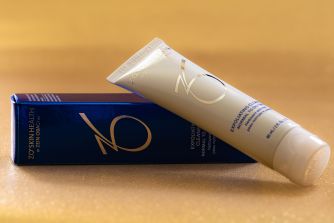
Galderma, the Swiss dermatology company behind Cetaphil and Alastin, has agreed to buy ZO Skin Health for $1.5 billion in cash, giving the company a much larger position in physician-dispensed skincare sold through dermatologists, plastic surgeons and medical spas.
The acquisition, announced October 14, 2026, would give Galderma 100% ownership of the California-based skincare company from shareholders including Blackstone and the Obagi family. Galderma expects the transaction to close in the fourth quarter of 2026 or early 2027, subject to regulatory approvals and other closing conditions.
The $1.5 billion figure represents enterprise value rather than simply the amount shareholders will receive. Enterprise value reflects the value assigned to the entire business, including debt and other financial obligations that form part of the transaction.
Founded by dermatologist Dr. Zein Obagi, ZO Skin Health built its business around professional skincare sold through physicians and medical aesthetics practices. The Irvine-based company offers more than 40 products through more than 16,500 accounts in over 40 countries.
ZO generated approximately $330 million in net sales during the 12 months ending in June 2026. Blackstone acquired a majority stake through its Tactical Opportunities platform in 2020, and the company more than doubled its revenue during Blackstone’s ownership before the investment firm moved toward a sale.
The attraction for Galderma goes beyond adding another skincare label. ZO’s daily regimens include products built around retinols, acids and other active ingredients, giving Galderma a broader presence in ongoing physician-dispensed skincare.
That business complements Alastin, which focuses more heavily on regenerative skincare used before and after cosmetic procedures, while Cetaphil reaches consumers through a much broader retail market. Together, the brands would give Galderma a wider reach from everyday skincare to products recommended or sold through medical professionals.
Galderma CEO Flemming Ørnskov said the company sees opportunities to grow ZO through new products, greater investment and Galderma’s existing relationships with dermatologists and plastic surgeons.
The purchase would be Galderma’s largest acquisition since its 2024 stock market debut. The company, which counts L’Oréal among its major shareholders, has also been expanding its U.S. operations and opened a regional headquarters in Miami earlier this year.
Regulatory clearance remains one of the conditions to closing. Competition authorities reviewing large acquisitions can examine whether combining two businesses would substantially reduce competition, although Galderma has not disclosed any competition concerns raised by regulators in connection with the ZO transaction.
Galderma plans to finance the acquisition with a combination of existing cash and bank financing. The company expects the deal to be neutral to core earnings per share in the first full year after closing and to put modest pressure on its operating margin in 2027 before ZO’s profitability moves broadly in line with the rest of the group beginning in 2028.
If completed, the acquisition would give Galderma a substantially larger foothold in physician-dispensed skincare, an area where clinical positioning and relationships with dermatologists, plastic surgeons and aesthetic practices increasingly shape how premium skincare brands reach customers.