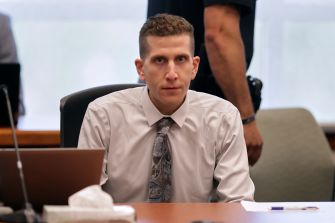
Dylan Mortensen, a surviving roommate in the University of Idaho murders committed by Bryan Kohberger, is asking a judge to keep her face blurred in police recordings after revealing that she and her family have moved nine times amid years of harassment, threats and accusations surrounding the killings.
In a sworn affidavit filed October 29, 2026, Mortensen said strangers investigating the murders have followed her relatives to their homes, while others have falsely accused her of involvement. She now uses an alias at work, when ordering deliveries and when meeting new people to avoid being recognized.
Her attorney, Robyn McPherson, filed a motion to intervene after Latah County Judge Megan Marshall ordered the city of Moscow to release previously withheld investigative records, including police interviews, photographs and videos involving Mortensen.
Marshall's October 20 order granted a public records request brought by EWU Media LLC, a company that produces crime documentaries. McPherson is seeking to overturn the ruling and halt the release of additional footage while the court considers Mortensen's privacy concerns.
Mortensen said the extended recordings could expose her to further harassment by allowing strangers to scrutinize her facial expressions and reactions during police interviews conducted shortly after the killings.
The recordings were made during the investigation into the November 13, 2022, murders of University of Idaho students Kaylee Goncalves, Madison Mogen, Xana Kernodle and Ethan Chapin at an off-campus home in Moscow.
Mortensen, who was inside the house that morning, told investigators she encountered a masked man after the killings. Kohberger later pleaded guilty to murdering the four students.
EWU Media requested investigative records from Moscow officials on August 28, 2025. After the city withheld or redacted portions of the material, the company filed a court petition seeking their release.
Marshall ruled that Moscow had failed to establish that the withheld records qualified for protection under the Idaho Public Records Act. The judge found that witness identities are subject to the law's disclosure requirements and applicable exemptions.
McPherson argues that releasing unblurred footage of Mortensen would constitute an unwarranted invasion of personal privacy, a recognized exemption under Idaho law. Her filing cites years of threats and harassment, along with the risk of further public scrutiny.
The attorney also asked Marshall to require Moscow officials to identify the withheld records and submit them for private judicial review, allowing the court to determine which images and recordings warrant continued protection.
McPherson filed the challenge after learning that Moscow's city attorney planned to let the disclosure order stand. Her motion seeks to preserve the facial redactions already applied to investigative footage.
Kohberger pleaded guilty in July 2025 to four counts of first-degree murder and one count of burglary. He received four consecutive life sentences without the possibility of parole under an agreement that spared him the death penalty. He is separately seeking to withdraw his plea, claiming his former attorneys pressured him into confessing and provided ineffective legal assistance.
Marshall is scheduled to hear Mortensen's motion on November 12, when the court will consider whether the city must continue concealing her face in investigative recordings released to the public.