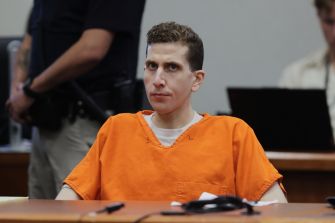
An Idaho judge has set a 2027 schedule for Bryan Kohberger's attempt to withdraw the guilty plea that resulted in four consecutive life sentences for the murders of four University of Idaho students, while prosecutors seek to have his post-conviction challenge dismissed.
Fourth District Judge Steven Hippler scheduled a status conference for June 3, 2027, and reserved June 17 for a possible evidentiary hearing. The order does not allow Kohberger to withdraw his guilty plea, and Hippler has not yet determined whether an evidentiary hearing is warranted. Prosecutors have asked the court to dismiss the petition without one.
Under a July 2025 plea agreement, Kohberger pleaded guilty to four counts of first-degree murder and one count of burglary in the deaths of Madison Mogen, Kaylee Goncalves, Xana Kernodle and Ethan Chapin. The agreement removed the possibility of the death penalty, and Hippler later sentenced him to four consecutive terms of life in prison without parole.
Kohberger filed a handwritten petition for post-conviction relief in July, claiming his former attorneys provided ineffective legal representation and pressured him to accept the agreement through promises about prison conditions, warnings about life on death row and other information he now disputes.
The petition also claims his lawyers failed to adequately review or disclose evidence he believed could help his defense, including unidentified hair he says was found in Chapin's hands. The court has not ruled on the significance of that material or the merits of his allegations.
The Sixth Amendment right to counsel includes the right to reasonably effective legal representation. A person challenging a conviction on that ground generally must show that an attorney's performance fell below an objective standard of reasonableness and that the failure caused legal harm.
When a conviction results from a guilty plea, the U.S. Supreme Court has said the person generally must show a reasonable probability that, without the alleged errors, the plea would have been rejected and the case would have gone to trial. Kohberger's allegations about disputed advice, pressure and evidence he says was not properly reviewed therefore center on whether those alleged failures affected his decision to accept the agreement.
His challenge also claims the guilty plea was not voluntary. Idaho rules require a judge accepting a plea to determine that the person understands the charges, possible punishment and constitutional rights being surrendered, and that the decision was made voluntarily.
During his July 2025 plea hearing, Kohberger told Hippler that he had not been threatened, said he was satisfied with his attorneys and confirmed that he was pleading guilty because he was guilty.
Because sentencing has already occurred, Idaho Criminal Rule 33 requires Kohberger to meet the stricter "manifest injustice" standard to withdraw the plea. Idaho courts have recognized that a plea that was not entered knowingly, voluntarily and intelligently can meet that standard.
Beyond setting the 2027 dates, Hippler's latest order establishes requirements for how both sides must prepare for a potential hearing. The judge directed the attorneys to follow Idaho's evidentiary rules, outlined procedures for objections and warned that failure to comply with the order could result in sanctions. Potential witnesses, including expert witnesses, must be disclosed by early February.
Kohberger initially filed the post-conviction challenge without an attorney. He is now represented by court-appointed lawyer Greg Rauch.
The state's motion to dismiss the petition remains pending. Kohberger continues to serve his four consecutive life sentences, with the next scheduled proceeding set for June 3, 2027.