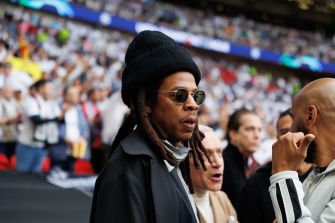
The woman who accused Jay-Z of sexually assaulting her when she was 13 has recanted the allegations under oath, telling a federal court that she never met the rapper and that none of the misconduct she accused him of ever happened.
In a 12-page declaration filed Thursday in Manhattan federal court, the woman said Shawn Carter, professionally known as Jay-Z, never raped her or engaged in inappropriate conduct toward her.
Carter responded by dismissing the woman as a defendant in his ongoing federal lawsuit against attorney Tony Buzbee and others over the since-withdrawn sexual assault case. His claims against Buzbee and the Buzbee Law Firm remain active.
The woman acknowledged that her accusations caused Carter harm that “can never be fully undone” and said she received no compensation for making the declaration. Her new attorney, James Blair Newman Jr., said she continues to maintain that she was sexually assaulted but was “entirely mistaken” in identifying Carter.
According to her declaration, the woman responded in 2024 to a Facebook advertisement seeking people who might have sexual assault claims against Sean “Diddy” Combs. She said the advertisement caused her to recall being raped as a teenager, after which she completed a form and spoke with members of a legal team.
She initially described herself as having attended a celebrity afterparty in New York in 2000. Details changed as the case developed, including which awards show preceded the alleged party.
The woman claims the original October 2024 lawsuit against Combs was filed without her knowledge and without an independent investigation into her account. Carter was added as a defendant in an amended complaint filed two months later.
She said she traveled to Houston in December 2024 for a television interview and received $1,200 in cash for travel-related expenses. After inconsistencies in her account became public, she said her lawyers asked her to take a polygraph examination but never provided her with the results.
By January 2025, according to the declaration, she had begun doubting whether she had ever met Carter or attended the celebrity party described in the lawsuit. The sexual assault case against Carter and Combs was voluntarily dismissed with prejudice the following month.
Buzbee told Rolling Stone that he had not reviewed the new declaration when contacted and said several lawyers who dealt with the woman before he became involved had heard the same account from her. He described money provided to her as expenses for meals and travel and has denied wrongdoing in his handling of the case.
Carter’s remaining lawsuit centers on what Buzbee and the other attorneys knew when they pursued the allegations. He claims the lawyers moved forward despite red flags, factual inconsistencies, and a lack of corroboration that should have prevented the case from being filed.
The new declaration does not by itself establish what Buzbee or the other attorneys knew at the time. That issue remains central to Carter’s effort to hold them liable over the filing and pursuit of the case.
Earlier this month, a California appeals court upheld the dismissal of Carter’s separate extortion and defamation claims against Buzbee. The court found the record did not show that Buzbee accused Carter while knowing the allegations were false or with reckless disregard for their truth. It also found that Buzbee’s pre-lawsuit demand letters were protected communications connected to anticipated litigation.
The California ruling involved different claims from Carter’s continuing federal case in New York, which includes a malicious prosecution claim over the sexual assault lawsuit itself.
To succeed on malicious prosecution under New York law, Carter must establish more than that the underlying allegation was false. Among other requirements, he must show that the prior case was pursued without probable cause and with malice.
Buzbee and his attorneys have argued that representing a client who reported a decades-old sexual assault does not amount to malicious prosecution and that inconsistencies in her memory did not establish that her allegations were knowingly false when the case was brought.
Combs denied the allegations in the woman’s lawsuit before it was dismissed. Her current attorney says she continues to maintain that she was sexually assaulted, while withdrawing Carter entirely from that account.
With the woman removed as a defendant, Carter’s federal case continues against Buzbee, his law firm, and the remaining defendants over how the withdrawn lawsuit was investigated, filed, and pursued.