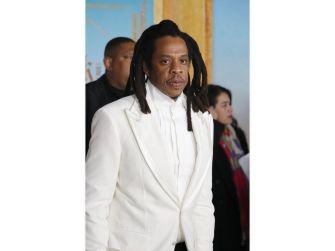
Jay-Z has gained a new path to try to revive his lawsuit against attorney Tony Buzbee after the woman who accused the rapper of rape recanted her allegations, even as a California appeals court refused to rehear his case.
California’s Second District Court of Appeal denied Jay-Z’s rehearing request October 1, 2026, but modified its earlier opinion to make clear that Los Angeles County Superior Court may order new discovery and reconsider its dismissal if new evidence warrants it. The change leaves the appellate judgment against Jay-Z intact while giving his lawyers an opportunity to return to the trial court with the accuser’s recent sworn declaration.
The three-judge panel added that its ruling “shall not prevent the trial court from ordering discovery and reconsidering its prior ruling based on any new evidence.” That language was not included in the court’s September 9 opinion affirming the dismissal of Jay-Z’s civil extortion, defamation and intentional infliction of emotional distress claims against Buzbee and his law firm.
Jay-Z, whose legal name is Shawn Carter, asked the appeals court to reconsider after Jane Doe formally recanted the rape allegations she made against him. In a sworn declaration filed September 24, she said Carter never raped her, that she had never met or spoken to him, and that her accusations against him were false.
Doe also alleged that the lawyers who previously represented her had not adequately verified her claims before Carter was named in the lawsuit. Buzbee has disputed suggestions that he knowingly pursued false allegations.
Carter’s lawyers called the declaration “explosive new evidence” and argued that it undermined the factual basis for the earlier rulings protecting Buzbee’s conduct. The appeals court declined to add the declaration to the appellate record or reconsider its judgment, but its modified opinion leaves that evidence for the trial judge to evaluate if Carter asks to reopen the proceedings.
The distinction matters because appellate courts generally decide cases from the record created in the trial court rather than weighing evidence that surfaces later. The new language allows Carter to argue that the recantation should instead be considered where the case was originally dismissed.
The dispute began before Carter was publicly named in Doe’s sexual assault lawsuit. Buzbee sent Carter demand letters in November 2024 accusing him of sexually assaulting Doe and another client and seeking mediation before litigation. Carter refused and filed suit against Buzbee in California, initially under a pseudonym, alleging that the demands amounted to extortion.
Doe later amended her federal lawsuit in New York to identify Carter as one of two men she accused of raping her when she was 13 after the 2000 MTV Video Music Awards. Carter repeatedly denied the accusation. Doe dismissed the case with prejudice in February 2025 and has now withdrawn the allegation entirely.
Los Angeles County Superior Court Judge Mark H. Epstein dismissed Carter’s California case in June 2025 under the state’s anti-SLAPP law, which allows courts to strike claims arising from protected speech or litigation activity when the plaintiff cannot show enough evidence for the case to proceed.
Epstein found that Buzbee’s demand letters were protected pre-litigation communications and rejected Carter’s attempt to characterize them as unlawful extortion. He also found Carter had not produced enough evidence that Buzbee made the challenged statements with actual malice, the heightened standard a public figure must meet in a defamation case.
The appellate court upheld that decision September 9, finding that the demand letters were protected and that the trial judge acted within his discretion when he previously refused Carter’s request for limited discovery.
The accuser’s recantation came after that appellate ruling and now gives Carter evidence that was not before either court when those decisions were made.
Buzbee’s attorneys said the appeals court’s refusal to rehear the case leaves the judgment in their favor intact. Carter attorney Jeremy Rosen focused instead on the added language allowing further proceedings below, saying his team intends to ask the Superior Court for discovery and reconsideration once jurisdiction returns.
Whether Carter ultimately gets another chance to pursue his claims now rests with the trial court. The modified appellate ruling does not reopen the lawsuit or require additional discovery, but it removes any suggestion that the September 9 decision prevents Epstein from revisiting the dismissal in light of Doe’s new declaration.