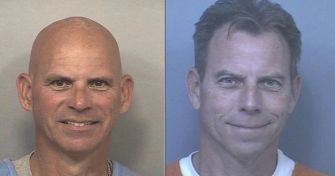
Erik and Lyle Menendez could make a new bid for freedom in March 2027 after California officials granted the brothers early parole hearings, moving their next chance at release forward by about 17 months.
The California Board of Parole Hearings approved the earlier review after both brothers were denied parole in August 2025. They had been expected to wait until August 2028, but their new hearings are tentatively scheduled for March 2027.
Each brother must still persuade a separate parole panel that he no longer poses an unreasonable risk to public safety.
The accelerated timeline comes through a California process that allows the Board to reconsider certain three-year parole denials. Cases involving inmates with low or moderate risk ratings can receive an administrative review about 11 months after a hearing. A deputy commissioner can move the next hearing forward when changed circumstances or new information indicate that public safety may not require the full denial period.
When a hearing is advanced through that process, the Board generally schedules it about 16 to 18 months after the previous parole hearing.
Erik and Lyle both received three-year denials, the shortest denial available under California's parole system, after separate hearings in August 2025. Both had also received moderate risk assessments.
Commissioners acknowledged evidence of rehabilitation during those hearings but focused heavily on the brothers' conduct in prison, including their use of contraband cellphones. The panels also questioned whether they had developed sufficient insight into parts of their past behavior.
Their family welcomed the earlier hearings and pointed to the brothers' work during more than three decades behind bars.
"For almost 40 years, Erik and Lyle have worked to take responsibility for their actions, confront and heal from the unimaginable abuse and trauma they endured, grow as individuals, and dedicate themselves to serving others," the family said in a statement.
Relatives also cited programs the brothers have supported or helped create in prison, including hospice work and a beautification project known as Green Space.
The brothers became eligible for parole only after a major change to their sentences in 2025.
Los Angeles County Superior Court Judge Michael Jesic resentenced Erik and Lyle in May 2025 to 50 years to life, replacing the life without parole sentences they received after their 1996 murder convictions. Because Erik was 18 and Lyle was 21 when their parents were killed, the new sentences made them eligible for parole consideration under California's youth offender laws.
The Menendez brothers were convicted of first-degree murder for the 1989 shotgun killings of their parents, José and Kitty Menendez, inside the family's Beverly Hills home.
Erik and Lyle admitted killing their parents but maintained at trial that they acted after years of sexual, physical, and emotional abuse by their father. Prosecutors argued the murders were planned and financially motivated, pointing in part to the brothers' spending after the killings.
Their first trial ended with deadlocked juries. A second trial resulted in murder convictions and sentences of life without parole.
The March 2027 hearings will turn largely on what has happened since the brothers last appeared before the Board. California parole panels can consider prison conduct, rehabilitation, remorse, risk assessments, plans for release, and the circumstances of the underlying crime when deciding whether an inmate currently presents an unreasonable danger to society.
A favorable decision would begin another stage of review. Because Erik and Lyle were convicted of murder, any parole grant would ultimately be subject to review by Gov. Gavin Newsom, who can allow the decision to stand, reverse it, or send it back to the Board for further consideration.