The Trump administration is proposing to make it easier for investment firms disqualified over criminal convictions or other misconduct to continue managing retirement funds under a federal exemption that allows certain transactions otherwise barred by law.
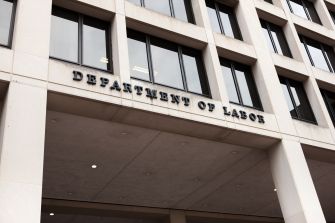
The U.S. Department of Labor announced the proposal Tuesday, November 17, 2026, offering eligible investment managers an alternative to seeking individual government approval after losing access to the exemption. The change could allow firms to continue handling pension and retirement investments for up to 10 years while meeting new compliance requirements.
Under existing rules, certain criminal convictions or misconduct involving an investment manager, its affiliates or major owners can trigger a 10-year disqualification. Retirement plans that rely on those managers may have to replace them or restructure investments, potentially adding costs and disrupting the management of workers' savings.
The department has reviewed more than 50 requests for individual exemptions from firms facing disqualification. Each application requires a separate review to determine whether allowing the manager to continue using the exemption would protect retirement plans and their participants. The approval process can take considerable time, leaving investment managers and their clients uncertain about their eligibility.
The proposed Qualified Professional Asset Manager Re-eligibility Options After Disqualification exemption, known as QROAD, would replace that individual approval process with standardized conditions for firms that qualify.
Investment managers disqualified because of wrongdoing by a related company outside their control could receive relief by demonstrating their independence from the misconduct. They would also have to obtain an independent fiduciary's certification of compliance, maintain written policies, provide annual training and notify affected retirement plan clients.
Firms more closely connected to the misconduct, including certain managers whose controlling affiliates have criminal convictions, would face additional oversight. Those requirements include independent audits every two years, annual compliance reports and a senior officer responsible for monitoring compliance.
Affected retirement plans would receive additional protections under the stricter conditions, including certain rights to terminate their relationship with the manager and recover qualifying financial losses connected to violations.
The proposal excludes misconduct involving assets of retirement plans or investment funds covered by federal retirement law. Eligible managers would remain bound by their existing fiduciary obligations to act prudently and in the interests of plan participants and beneficiaries.
The exemption at issue, established in 1984, allows qualified professional asset managers, or QPAMs, to conduct transactions involving retirement investments that would otherwise be restricted under the Employee Retirement Income Security Act of 1974, known as ERISA. Federal law generally limits transactions with parties that have financial ties to retirement plans to guard against conflicts of interest.
The proposed relief follows changes adopted under the Biden administration in 2024 that strengthened disqualification requirements, including provisions addressing foreign criminal convictions and prohibited misconduct.
The Labor Department published the proposal in the Federal Register on November 18 and is accepting public comments and requests for a hearing through January 19, 2027. The department will review those submissions before deciding whether to finalize the exemption.