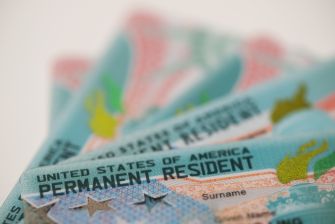
The U.S. Department of Labor proposed new restrictions on employment-based green cards on November 16, 2026, requiring companies to expand recruitment of American workers, limiting sponsorship following layoffs and eliminating exemptions for certain healthcare professionals.
The proposed overhaul of the Permanent Labor Certification (PERM) program would affect employers seeking to sponsor foreign workers for permanent residency, particularly through the EB-2 and EB-3 green card categories. The program requires companies to demonstrate that qualified U.S. workers are unavailable for a position and that hiring a foreign employee would not adversely affect domestic wages or working conditions.
Under the proposed rules, employers would have to advertise positions for at least 90 calendar days, compared with the current 30-day minimum recruitment period. Companies that typically advertise comparable positions for longer periods would have to follow their usual hiring schedules.
Recruitment would also shift toward online job boards, company websites, social media and other digital platforms. Employers would have to use the same hiring channels available to domestic applicants, disclose offered wages or salary ranges in advertisements and provide evidence that qualified American candidates received fair consideration.
Companies would also have to submit recruitment reports, supporting documentation and U.S. applicants' resumes with their labor certification applications. Under existing rules, much of that material is generally retained for review if federal officials select an application for an audit.
Employers that laid off American workers in the same or similar occupations within the same geographic area during the preceding two years would face restrictions on obtaining labor certification for those positions. Current regulations generally require employers to notify and consider potentially qualified workers laid off within the previous six months.
The proposed restrictions would also cover certain layoffs involving third-party staffing companies. Businesses would have to report subsequent layoffs and continue considering qualified displaced workers through the related immigration petition process.
Hospitals and other healthcare employers would face additional requirements under a provision eliminating Schedule A, which currently allows employers to sponsor professional nurses, physical therapists and certain individuals with exceptional abilities in the sciences or arts without completing the standard labor market recruitment process.
Removing the exemption would require those employers to conduct recruitment and obtain labor certification before proceeding with employment-based immigration petitions. Healthcare facilities that recruit foreign nurses and physical therapists would consequently face the same labor market testing requirements imposed on most other employers.
The changes would represent the first comprehensive overhaul of PERM regulations in nearly two decades. Labor Secretary Keith Sonderling said existing rules have allowed companies to sponsor foreign workers without fully considering American applicants, an issue the department is seeking to address through expanded recruitment and enforcement requirements.
The proposal is scheduled for publication in the Federal Register on November 17, beginning a 60-day public comment period. The department has proposed applying the new requirements to certain applications filed at least 90 days after publication of a final rule. Existing regulations remain in effect while federal officials review public comments and determine whether to adopt the changes.