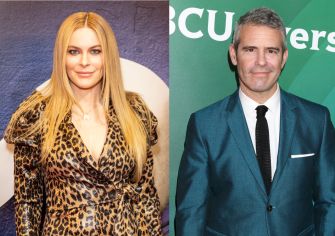
Former Real Housewives of New York City star Leah McSweeney has dropped her lawsuit against Andy Cohen and Bravo after more than two years, ending a legal battle over allegations that producers exploited her struggles with alcohol and encouraged drug use behind the scenes.
McSweeney voluntarily dismissed the claims Friday, October 30, 2026, in Manhattan federal court with the agreement of all parties. The dismissal was entered with prejudice, preventing her from bringing the same claims again, while the terms of the arrangement remain undisclosed.
Her attorney, Gary Adelman, told Page Six that McSweeney's legal team was "extremely satisfied" with the outcome and praised her perseverance throughout the litigation. The filing did not disclose whether the agreement involved any financial payment or other concessions.
McSweeney filed the lawsuit in February 2024, accusing Cohen, Bravo and affiliated companies of disability discrimination, failure to accommodate and retaliation. She alleged that producers knew she was living with alcohol use disorder but deliberately placed her in situations that aggravated her condition to generate dramatic television.
The former reality star also accused Cohen of using cocaine with cast members and other network personalities, claiming those who participated received preferential treatment and more favorable portrayals on Bravo programs.
Cohen denied the accusations. In an April court filing, his attorneys challenged McSweeney's allegations about his purported drug use, arguing that she relied on secondhand accounts rather than evidence that she personally witnessed the conduct.
McSweeney expanded her allegations in May 2025, accusing Cohen of organizing a public campaign against her after she filed suit. She claimed he encouraged or pressured current and former Real Housewives cast members to portray her as dishonest, with some allegedly participating to gain favor or advance their careers.
The case continued through several procedural disputes. In March 2026, U.S. District Judge Lewis J. Liman ruled that the defendants had waived their right to compel arbitration by waiting too long to request it, allowing the litigation to continue in federal court.
Cohen's attorneys subsequently sought dismissal of the remaining claims, challenging the factual basis for McSweeney's accusations. The parties later agreed to end the case before a trial or final ruling on those allegations.
The October 30 dismissal closes the federal lawsuit without a judicial determination of the disputed claims. McSweeney's attorney has welcomed the outcome, while the terms of the parties' agreement have not been publicly disclosed.