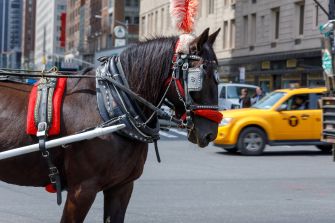
New York City Mayor Zohran Mamdani and City Council Speaker Julie Menin have struck a deal to ban Central Park's horse-drawn carriages by June 2028, advancing legislation that could end the city's 168-year-old carriage industry after decades of failed attempts to shut it down.
The agreement, announced October 13, 2026, advances Romanch's Law, named after an 18-year-old tourist killed in a Central Park carriage accident in June. The City Council is scheduled to vote October 22, with a majority of members backing the measure and carriage operators threatening a constitutional challenge.
Romanch Mahajan died on June 17 after being thrown from a horse-drawn carriage when the animal bolted during a family visit to the park. His death prompted renewed calls for a ban, with his family urging city officials to pass legislation in his name.
Under the proposal, New York City would stop issuing new licenses for horse-drawn cab operations and prohibit carriage services beginning June 1, 2028. The measure also requires humane arrangements for retiring the horses, including restrictions against selling or transferring them for slaughter or use in another carriage business.
The legislation would require the Department of Consumer and Worker Protection to establish a workforce development program to help carriage drivers and other employees find jobs in different fields. The Mamdani administration would also have to prepare a worker transition plan by April 2027.
Transport Workers Union International President John Samuelsen criticized the bill's financial provisions, which require the city to consider compensation for carriage owners who invested hundreds of thousands of dollars in city-issued medallions and their businesses. He also questioned whether job fairs and employment counseling would adequately address the financial losses facing approximately 200 drivers.
Christina Hansen, a representative of Transport Workers Union Local 100, which represents carriage drivers, said the industry intends to challenge the ban in court if the legislation passes, arguing that the measure is unconstitutional.
The dispute could put the city's authority to eliminate a licensed industry before a judge, particularly as carriage owners object to provisions that leave compensation for their investments unresolved. Municipalities generally have broad powers to regulate businesses for public safety, but the operators' existing licenses and financial interests could become central to any legal fight.
The agreement follows a series of carriage-related accidents in Central Park. The Central Park Conservancy documented eight horse-related incidents over the 13 months preceding Mahajan's death, including a horse that collapsed and died on June 9. The organization has supported ending carriage operations, citing safety risks in one of the city's busiest public spaces.
Menin has similarly argued that horse-drawn carriages pose an increasing danger to visitors, drivers and animals. Animal welfare organization New Yorkers for Clean, Livable and Safe Streets, known as NYCLASS, has backed the ban, citing concerns over horse welfare and public safety. Carriage operators maintain that their animals receive appropriate care and favor stronger safety regulations over eliminating the trade.
Former Mayor Bill de Blasio pledged to ban horse-drawn carriages after taking office in 2014, but opposition from labor unions, carriage operators and other political interests stalled his plans.
Menin publicly backed Romanch's Law in July, becoming the first sitting City Council speaker to support ending carriage operations in Central Park. Council Member Christopher Marte, the bill's lead sponsor, subsequently secured majority backing, while the Mamdani administration worked with lawmakers on provisions addressing employment and the horses' retirement.
The City Council is scheduled to vote on October 22. If the legislation passes and becomes law, carriage operations would end on June 1, 2028, with the city responsible for implementing the worker transition program and arrangements for retiring the horses.