Tennessee officials agreed to pay $835,000 to settle a federal lawsuit brought by a retired police officer who spent more than a month in jail after authorities arrested him over a Facebook meme about the assassination of conservative activist Charlie Kirk.
The settlement resolves claims filed by 61-year-old Larry Bushart against Perry County, the county sheriff, and an investigator involved in obtaining the arrest warrant that led to his September arrest. The lawsuit argued county officials violated Bushart’s constitutional rights by treating a political meme as criminal conduct.
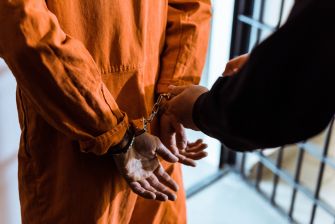
Prosecutors dropped the felony charge against Bushart in October after he spent 37 days in jail, with bail initially set at $2 million. The lawsuit claims the arrest cost him a post-retirement job and caused him to miss both his wedding anniversary and the birth of his granddaughter.
Bushart’s arrest stemmed from memes he posted mocking reactions to Kirk’s killing, which had prompted public mourning among conservatives and a candlelight vigil in Perry County, Tennessee. Authorities focused on one meme that stated, “This seems relevant today...” alongside an image of President Donald Trump and the phrase, “We have to get over it,” referring to comments Trump made after a 2024 school shooting at Iowa’s Perry High School.
Perry County Sheriff Nick Weems previously told media outlets that most of Bushart’s posts were protected speech. Authorities argued the school shooting reference alarmed local residents because Perry County also has a high school with the same name. The lawsuit claims investigators omitted from the arrest warrant affidavit that the meme referred to a real 2024 Iowa school shooting rather than a threat tied to Tennessee.
The case centered on First Amendment protections for political speech and the legal standard for when online posts can be treated as criminal threats. Courts generally require prosecutors to show that a statement represented a real threat of violence before speech can result in prosecution.
Political commentary, jokes, memes, and controversial online posts are usually protected unless authorities can show a serious intent to threaten or harm others. Lawsuits involving arrests over social media posts also often examine whether police had probable cause to believe a crime had occurred before making an arrest.
Bushart was represented in the lawsuit by attorneys with the Foundation for Individual Rights and Expression. Perry County officials have not publicly admitted wrongdoing as part of the settlement.