Mastodon Sued by Brent Hinds’ Estate Over $80K Buyout and Alleged Use of His Image After Death
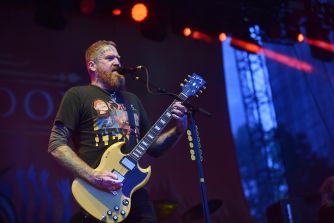
Mastodon is being sued by the estate of late cofounder Brent Hinds over an $80,000 buyout offer and the band’s alleged use of his image to promote a new album and merchandise after his death.
The estate claims Hinds still owned interests in Mastodon-related businesses when he died in an Atlanta motorcycle crash in August 2025 and says no final buyout agreement had been completed. According to the lawsuit, the band later sent an $80,000 check without providing an accounting or explanation for how his stake had been valued.
The civil complaint, filed September 3 in Fulton County court, names surviving founding members Troy Sanders, Bill Kelliher and Brann Dailor. Hinds, Mastodon’s longtime guitarist and vocalist, was 51 when he died.
According to the estate, Hinds held interests in Mastodon, its merchandise operation and other businesses connected to the band. The estate has refused to cash the $80,000 check and is seeking a full accounting to determine what those interests were worth and what it may be owed.
The dispute traces back to Hinds’ departure from Mastodon in March 2025 after roughly 25 years with the group.
Mastodon initially described the split as mutual and said it wished Hinds success. Hinds later publicly criticized his former bandmates and said he had been forced out, while the lawsuit alleges he was notified of his departure by email.
Court filings say the remaining members sent Hinds proposed terms for separating his interests from the band’s businesses, including a plan to buy out his ownership stakes and keep details of the split confidential.
Hinds never signed the agreement, according to the estate, leaving the buyout unresolved when he died five months later.
The lawsuit also targets Mastodon’s use of Hinds’ alleged likeness on Marrow Deep, released August 28 as the band’s first album recorded without him.
Its cover depicts figures inspired by the Fates of Greek mythology. Among the skulls and faces incorporated into one figure’s clothing is a bearded face that the estate says is a recognizable image of Hinds.
The complaint alleges Mastodon used the cover to advertise and sell the album and related merchandise without properly compensating the estate for use of his likeness. Hinds did not perform on the record.
His estate also objects to how the surviving members discussed him publicly after his death.
Before the album’s release, Mastodon posted a 35-minute film titled The Mastodon in the Room about Hinds, his death, and the events leading to his departure. Band members discussed problems they said had developed during their years together, including alleged substance use.
The lawsuit accuses Mastodon of disclosing details about Hinds’ private life that he had kept confidential while alive and claims the disclosures were made while the band was promoting its new music.
Mastodon has rejected the allegations.
In a public statement, the band called the case a private business dispute and said it “strongly” denies allegations of ill intent. The remaining members said they intend to vigorously defend what they described as a meritless lawsuit.
They also said they do not plan to discuss the case publicly going forward because doing so would not honor Hinds’ memory or his musical legacy.
Hinds cofounded Mastodon in Atlanta in 2000 with Sanders, Kelliher and Dailor and remained with the Grammy-winning metal band until his departure in 2025.
The lawsuit puts the value of Hinds’ ownership interests and Mastodon’s alleged use of his likeness after his death at the center of the court fight.