McDonald’s Corporation is facing a proposed nationwide class action lawsuit alleging the fast-food chain misled customers by marketing its McRib sandwich as a rib-based product despite allegedly containing no actual pork rib meat. Filed on December 23, 2025, in the U.S. District Court for the Northern District of Illinois, the lawsuit claims the company’s naming, advertising, and presentation of the sandwich created a false impression about what customers were buying.
The case was brought by several consumers who say they purchased the McRib during limited-time releases in late 2024. Those purchases occurred in multiple states, including California, New York, Illinois, and the District of Columbia. The filing states that McDonald’s used the same marketing and product presentation nationwide, forming the basis for seeking class action treatment on behalf of customers across the country.
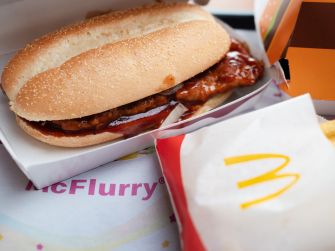
Consumers bringing the case say McDonald’s misled customers by naming the sandwich the “McRib” and shaping the meat patty to resemble a rack of pork ribs. They claim the sandwich contains no pork rib meat and is instead made from other processed pork components.
Under consumer protection laws, courts do not look only at ingredient lists when evaluating whether a product is misleading. Instead, they consider the overall impression a product creates at the time of purchase, including its name, images, and visual presentation. A product name may be misleading if it suggests a key feature the product does not actually have, even if additional details appear elsewhere.
The lawsuit alleges that this impression mattered when customers decided whether to buy the McRib. Under those laws, a fact is considered important if it would affect a reasonable person’s decision to buy a product or how much to pay for it. The consumers claim that many customers would not have purchased the sandwich, or would have paid less for it, had they known it did not contain rib meat.
As part of the complaint, a survey was conducted for the case to assess how customers understood the McRib’s name and marketing. The results showed that a majority of respondents expected the McRib to include rib meat based on menu images. In the filing, consumers allege that this expectation affected how much customers were willing to pay for the sandwich.
The case relies on several legal theories. At its core, it argues that McDonald’s marketing was misleading under state consumer protection laws, which are designed to prevent businesses from giving customers a false impression about what they are buying. The lawsuit also raises warranty and contract claims, which focus on whether the product matched what was promised through its name and presentation.
These consumer protection laws are different from traditional fraud cases. Fraud usually requires proof that a company meant to deceive customers. Many consumer statutes, however, focus instead on whether marketing is likely to mislead an ordinary person, even if there was no intent to do so.
McDonald’s is one of the largest fast-food chains in the world, serving tens of millions of customers each day across more than 100 countries. The McRib, first introduced in the early 1980s, has become one of the company’s most recognizable limited-time offerings, returning periodically to menus amid heavy promotion and consumer anticipation. Its scarcity and branding have helped turn each re-release into a national event.
The lawsuit challenges whether that marketing, combined with the product’s name and presentation, crossed the line from promotion into consumer deception.