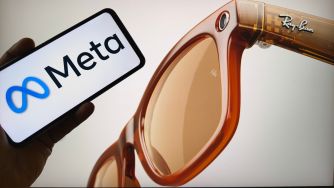
More than 70 people who bought, used, or were recorded by Meta’s smart glasses are accusing the company of capturing some of their most private moments, including people undressing, using the bathroom, and having sex, and routing some of that material to overseas contractors reviewing data for its artificial intelligence systems.
The proposed class action in Northern California alleges footage from Meta’s AI glasses reached contractors in Kenya who reviewed and labeled recordings used to improve the company’s technology. Some footage allegedly included family members, children and bystanders during private moments inside homes.
U.S. District Judge Edward M. Chen recently allowed most plaintiffs who requested anonymity to proceed under pseudonyms while the case moves forward. Their claims involve recordings of sexual intimacy, minors bathing or changing clothes, and private conversations about children’s medical conditions.
One plaintiff identified as PL18 says he placed his Meta smart glasses on a bathroom counter without realizing they were recording and later discovered images showing family members using the bathroom and bathing. California plaintiff Steven Beltran separately alleges his glasses falsely activated about twice a day and created recordings he never intended to make.
The consolidated lawsuit accuses Meta and Luxottica of fraud, false advertising, and violations of consumer protection laws in several states. The plaintiffs are seeking class-action status on behalf of users and others allegedly recorded by the devices.
According to the complaint, visual and audio data generated during certain AI interactions can be transmitted to Meta’s servers, with some material later selected for human review as the company trains and improves its systems. Plaintiffs allege the disclosures provided to consumers failed to explain that recordings from homes and other private settings could reach outside contractors.
The filing also cites accounts from Kenyan workers who reviewed smart-glasses footage as part of Meta’s AI development. Those workers described encountering sensitive material and said faces sometimes remained visible despite privacy measures designed to obscure identifying information.
Meta disputes the plaintiffs’ description of its practices. The company says photos and videos saved to a user’s gallery remain under the user’s control and points to the glasses’ capture light as a visible signal when recording is active.
Some AI interactions may also be reviewed as part of Meta’s product-development process, according to the company, which says safeguards are used to reduce identifying information. The plaintiffs argue those disclosures did not convey how private visual data could move from the glasses to Meta’s systems and, in some instances, to human reviewers.
The amended complaint also targets Meta’s development of biometric identification tools for its glasses. One feature under development, known as “NameTag,” could allow wearers to identify people they encounter, a capability Meta Chief Technology Officer Andrew Bosworth has described as a way to help users remember names.
Privacy advocates have raised broader concerns about adding facial recognition to wearable cameras. The American Civil Liberties Union and dozens of allied organizations warned Meta earlier this year that the technology could make it easier to identify people in public without their knowledge.
A separate proposed class action filed this month in Illinois accuses Meta of using publicly posted Facebook and Instagram photos to develop biometric identifiers that could support NameTag and other AI tools. Meta maintains that it has been transparent about its use of public data for AI development, while NameTag remains in development.
The legal pressure comes as Meta prepares to showcase its next generation of wearable technology at its Connect conference beginning Sept. 23 in Menlo Park, putting the privacy dispute alongside the company’s continued push into AI-powered glasses.