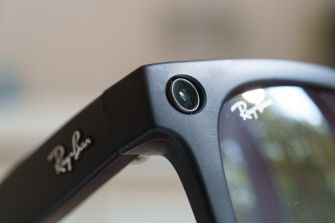
Two Democratic senators launched an inquiry into Meta Platforms on Thursday, October 29, 2026, over allegations that its AI-powered smart glasses capture intimate images without consent, expose sensitive recordings to overseas contractors and use some of the footage to train artificial intelligence systems.
Sens. Ron Wyden of Oregon and Edward Markey of Massachusetts demanded that Meta CEO Mark Zuckerberg disclose who can access recordings, how images are selected for AI training, and what privacy risks the company identified before launching its first camera-equipped glasses in 2021. Their October 28 letter gives Meta until November 25 to provide answers and supporting documents.
The inquiry follows reports that contractors reviewing footage for Meta’s AI systems encountered recordings of people undressing, using bathrooms and engaging in sexual activity. The senators also cited investigations documenting men secretly filming women with the glasses and distributing the encounters on social media, where some videos attracted millions of views.
Meta identified risks to bystander privacy, particularly for women, children and other vulnerable groups, before releasing its original Ray-Ban Stories glasses, according to the company’s 2021 human rights disclosures. Wyden and Markey are seeking the underlying assessments and later evaluations addressing voyeurism, accidental recordings and the handling of intimate images.
More than 70 people have also sued Meta in California federal court, alleging its smart glasses captured private moments and exposed sensitive footage to contractors in Kenya. The class-action lawsuit describes recordings involving sexual activity, children bathing and private conversations about medical conditions.
In September, U.S. District Judge Edward Chen allowed most plaintiffs seeking anonymity to proceed under pseudonyms because their allegations involved highly personal information. Four others were denied anonymity after previously disclosing their identities and details of the recordings in court filings. The underlying privacy claims remain in litigation.
Wyden and Markey also want results from Meta’s testing of accidental camera activation, tampering with recording indicators and AI functions that process visual information without activating the recording light. Their questions include whether the indicator gives enough warning to people with visual impairments or in settings where the light is difficult to see.
Meta says its cameras automatically shut off when the glasses detect interference with the recording indicator. Photos and videos saved to a user’s gallery remain private unless the owner shares them, according to the company. Images processed through Meta’s AI features may be retained for product development and reviewed by contractors under its data policies.
The senators are also asking Meta to identify the contractors and subcontractors authorized to review recordings, the countries where that work occurs and the restrictions governing access. They want the company to explain how footage is selected for AI training and what safeguards are designed to keep intimate images from being disclosed or used without consent.
Their inquiry also reaches Meta’s internal safety process. Wyden and Markey asked whether teams responsible for women’s safety and preventing the spread of intimate images participated in developing the glasses, and how protections used elsewhere on Meta’s platforms apply to recordings captured through wearable devices.
Meta recently introduced an option allowing glasses owners to prevent visual data from AI interactions from being retained for training. The senators asked whether people captured by someone else’s glasses can also request deletion of images, biometric information and other personal data, along with what remedies exist when sensitive recordings are disclosed or used without permission.
The inquiry follows a March request from Markey, Wyden and Sen. Jeff Merkley concerning Meta’s reported plans to introduce facial recognition capabilities into its smart glasses. That letter sought information about whether the devices could identify people in public and connect their faces to personal information.
Meta has disputed allegations in the California litigation and maintains that its products include privacy safeguards. The company faces a November 25 deadline to provide the senators with its internal assessments, contractor agreements and answers about how footage from its smart glasses is collected, reviewed and used.