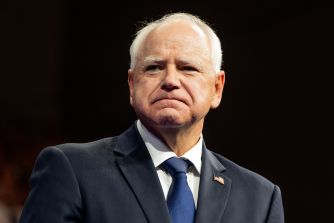
Adults who sexually groom children in Minnesota can now face felony charges carrying up to five years in prison, even if no sexual contact occurs, under a law signed by Gov. Tim Walz that took effect August 1, 2026.
Walz signed House File 3489 on May 27, 2026, creating a criminal offense under Minnesota Statute 609.352. The measure also expands felony liability for adults in positions of authority, strengthens protections for students and allows child protection agencies to investigate older grooming allegations.
The new offense applies to adults 18 and older who express sexual intentions toward a child aged 15 or younger and deliberately develop a deceptive relationship of trust to manipulate the child into future sexual activity. Prosecutors must establish a pattern involving at least two instances of conduct. A conviction carries a maximum fine of $10,000 in addition to the potential prison sentence.
Separate provisions extend felony liability to certain sexual solicitation and grooming offenses involving victims under 18 when the accused holds a current or recent position of authority and is more than three years older than the victim. School employees and contractors can also face felony charges for specified offenses involving students enrolled at their schools, regardless of the students' age.
Teachers convicted of grooming face mandatory license denial, nonrenewal or revocation under Minnesota's educator licensing rules, extending the consequences of a conviction to their ability to work in schools.
The legislation grew out of efforts by Hannah LoPresto, a former Eagan High School student who publicly described being groomed and sexually assaulted by her band director. Police investigated her allegations, but the case resulted in no criminal charges.
Eagan Police Detective Chad Clausen, who investigated the case, later testified before state lawmakers about the legal barriers encountered during the investigation. He said gaps in laws governing positions of authority and high school students contributed to the inability to pursue charges under the statutes in effect at the time.
LoPresto joined Republican state Rep. Peggy Bennett of Albert Lea and Democratic state Sen. Erin Maye Quade of Apple Valley in advancing legislation to address those gaps. Bennett, a former teacher, also disclosed that she had been groomed by her own high school band director when she was a student.
Bennett shared her experience during legislative hearings as lawmakers examined how grooming can develop through relationships of trust between educators and students. The Minnesota House and Senate unanimously approved the legislation, which Walz signed into law on May 27.
Beyond the new criminal penalties, police departments and county sheriffs must notify the appropriate professional licensing board when teachers face specified criminal charges involving sexual misconduct or offenses requiring registration as predatory offenders. That reporting requirement took effect July 1, 2026, allowing licensing authorities to receive information about qualifying charges before a criminal case reaches a conviction.
Minnesota also revised its child protection screening rules to permit investigations into grooming allegations involving conduct that occurred more than three years before a report was filed. The change allows agencies to examine older allegations but does not automatically reopen criminal cases or revive charges barred under previously applicable laws.
The Department of Children, Youth and Families must update mandatory reporter training by August 1, 2027, in consultation with the Department of Education. The revised instruction will address identifying grooming, recognizing circumstances that increase the risk of abuse, and reporting suspected maltreatment involving students, including those receiving special education services.
The new felony provisions apply to crimes committed on or after August 1, 2026. Allegations involving earlier conduct remain governed by the criminal laws in effect at the time, while the updated child protection screening rules allow agencies to review older reports.