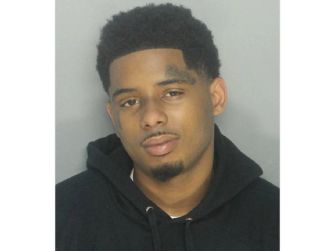
Rapper Pooh Shiesty has asked a federal judge to intervene over conditions at a Texas jail where his attorneys say he is confined to his cell for 23 hours a day despite having no disciplinary violations. In an emergency motion filed October 15, 2026, his lawyers argue that the isolation is damaging his mental health as he awaits trial on federal kidnapping and robbery charges involving Gucci Mane.
The rapper, whose legal name is Lontrell Williams Jr., is being held at Rolling Plains Regional Jail in Haskell, Texas. His attorneys want the court to direct the U.S. Marshals Service to end the near-total isolation and restore his family visitation privileges, which they say have been reduced to just two hours per month, half the four-hour minimum they contend he should receive.
According to the filing, jail officials have offered only a vague explanation that Williams is being isolated for his own protection. His lawyers say he has received no information about who or what poses a threat to him, or why keeping him confined nearly around the clock is necessary. They argue that the restrictions lack an individualized security or disciplinary justification, particularly because Williams has not engaged in threatening conduct or accumulated disciplinary infractions while in custody.
The prolonged confinement has already affected his mental health, according to his attorneys, who say Williams has reported increasing anxiety and difficulty sleeping. The motion also warns that extended isolation can contribute to depression, psychological distress and difficulty concentrating, raising concerns about his ability to prepare for trial.
His family has described the effects of the restrictions. In a declaration accompanying the motion, Williams' aunt said she traveled from Memphis to visit him in August but was allowed only one hour because his girlfriend had used the other hour of his monthly visitation allotment. She described the expense and time required to reach the rural facility and said she had witnessed a decline in his emotional condition since his transfer there.
"I have seen Lontrell decline mentally and emotionally since he was moved to the jail in Haskell," she wrote, describing him as increasingly anxious and appearing severely depressed.
The restrictions raise questions about the constitutional protections afforded to people held before trial. Under the Fifth Amendment's Due Process Clause, federal pretrial detainees cannot be subjected to punishment before conviction, although jail officials may impose restrictions reasonably related to legitimate security and administrative needs. Williams' attorneys contend that keeping him isolated for 23 hours a day without a specific explanation goes beyond what those interests justify.
The emergency motion seeks changes to the conditions of his detention rather than release from custody. Williams has previously been denied bond, but his lawyers maintain that his continued detention does not give jail officials unlimited authority to restrict his movement and family contact. They are asking the court to require an adequate justification for the isolation and ensure he receives at least four hours of monthly visitation.
Williams was arrested in April following an alleged January 10 confrontation with Gucci Mane at a Dallas recording studio. Federal prosecutors accuse him and several others of orchestrating an armed encounter during a dispute over his contract with Gucci Mane's 1017 Records label, which signed the Memphis rapper in 2020.
According to prosecutors, Gucci Mane was lured to what he believed was a business meeting before Williams allegedly threatened him with an AK-style firearm and forced him to declare on camera that the rapper was released from his recording agreement. Authorities also allege that Gucci Mane was robbed of his wedding ring, Rolex watches, and cash during the confrontation.
Williams has pleaded not guilty to the charges, which also involve his father, Lontrell Williams Sr., fellow rapper Big30, whose legal name is Rodney Lamont Wright Jr., and several other defendants. He faces a potential life sentence if convicted on the most serious counts.
His trial is scheduled to begin February 22, 2027, in federal court in Dallas. The judge has not yet ruled on the October 15 emergency motion seeking changes to his confinement and visitation conditions.