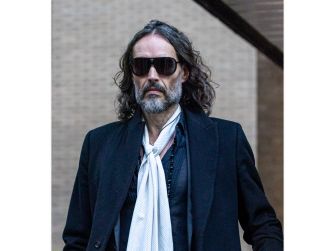
British authorities have launched an urgent investigation into whether Russell Brand violated prison rules after his wife read a statement from the convicted comedian on YouTube in which he maintained his innocence of rape and sexual assault.
Downing Street confirmed on Monday, November 16, 2026, that officials were examining the message, which Laura Brand delivered during an online religious broadcast on Sunday. The government said prisoners are prohibited from making public statements that cause distress to victims and face strict restrictions on communicating with the media.
Officials also warned that inmates cannot avoid those restrictions by passing messages through relatives or other third parties. Authorities are investigating whether Brand breached the rules by providing the statement for publication through his wife.
The investigation comes one week after Brand, 51, was sentenced to 10 years and six months in prison for rape and sexual assault. A London jury convicted him on November 5 of raping one woman and sexually assaulting three others. He was acquitted of two additional rape charges and one count of indecent assault.
In the YouTube broadcast, Laura Brand read a message addressed to supporters of the couple's religious community. Brand described his experience in prison, thanked followers for their support and maintained that he was innocent of the crimes for which he had been convicted.
The statement also praised prison staff and included religious messages. Laura Brand told viewers she intended to continue the couple's online Sunday Service activities while her husband serves his sentence.
Downing Street described the broadcast as "clearly appalling" and said prison authorities were expected to take action if the investigation established a breach of regulations.
Andrea Simon, London's Victims' Commissioner, criticized the statement, warning that Brand's continued denial of the offenses could cause further distress to the women involved in his conviction and other survivors of sexual violence.
The government's review concerns whether Brand's communication violated prison regulations, rather than the validity of his criminal conviction. British prison rules generally restrict inmates from communicating with the media without authorization, particularly when their statements could cause distress to people affected by their crimes.
Laura Brand is not expected to face a separate investigation over her role in reading the message, according to British media reports.
Authorities have not announced a finding or identified what disciplinary measures Brand could face if a breach is established. The prison service is continuing its review of how the statement reached YouTube and whether its publication violated restrictions governing prisoners' communications.