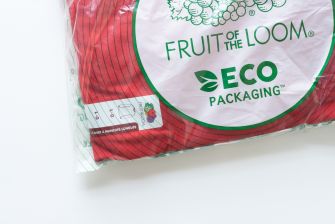
Texas Attorney General Ken Paxton has opened an investigation into Hanes and Fruit of the Loom over the potential presence of toxic chemicals in materials used to make children’s underwear, putting two of the country’s best-known clothing brands under scrutiny over products designed for prolonged contact with children’s skin.
Paxton’s office announced the investigation on October 6, 2026, and issued civil investigative demands to both companies seeking information about their products, materials and manufacturing practices as Texas examines possible violations of state consumer protection lawConsumer protection law is the body of federal and state laws designed to protect people from unfair, deceptive, fraudulent, or abusive practices in the marketplace. These laws regulate areas such as advertising, sales, lending, debt collection, credit reporting, warranties, financial services, and consumer products.Read more →.
The state has identified no specific Hanes or Fruit of the Loom product as unsafe and has released no testing showing toxic chemicals in underwear sold by either company. The investigation instead seeks to determine what materials and substances are used in the products and whether the companies’ practices comply with Texas law.
Paxton’s office said the inquiry is focused in part on synthetic materials such as polyester, rayon and spandex. The state pointed to the clothing industry’s increased reliance on lower-cost synthetic fabrics, which can involve plastic-derived materials and chemical-intensive manufacturing processes.
Investigators are also looking at chemicals associated with textile production, including bisphenols, phthalates, PFAS, parabens and fluorine. The attorney general’s office cited research associating some of those substances with endocrine disruption, infertility, cancer and other health concerns, as well as questions about possible exposure through prolonged skin contact.
Synthetic fabrics can also shed microplastics, another issue cited by Paxton’s office as it examines materials used in children’s undergarments.
“We must protect our children who cannot yet protect themselves,” Paxton said in announcing the investigation, adding that his office would examine major children’s clothing brands to determine whether their products contain harmful materials.
Under the Texas Deceptive Trade Practices-Consumer Protection Act, investigators can use the demands to seek documents relevant to a possible violation. The records could help Paxton’s office determine whether the companies’ products, representations or manufacturing practices warrant further action.
Hanes is owned by Gildan Activewear, which said it plans to cooperate with the investigation. The company said its manufacturing and sourcing standards are designed to comply with requirements governing harmful chemicals and that product safety and quality remain priorities.
Fruit of the Loom, owned by Berkshire Hathaway, had not publicly addressed the substance of the investigation as of Tuesday.
The inquiry follows another Texas investigation into chemicals in clothing. In April, Paxton’s office issued a civil investigative demand to Lululemon over the possible presence of PFAS, commonly known as “forever chemicals,” in its apparel.
That investigation sought information about Lululemon’s restricted substances list, product testing, and supply chain practices as Texas examined whether the company’s products matched its representations about safety, wellness, and sustainability.
The latest inquiry brings that scrutiny into children’s clothing, where questions about exposure carry added weight because underwear can remain in direct contact with the skin for extended periods.
Paxton’s office has not disclosed whether it plans independent testing of Hanes or Fruit of the Loom products or when the investigation may be completed. The records obtained through the civil investigative demands will help determine whether the state moves toward enforcement or closes the inquiry without further action.
Share This Article
If you found this article insightful, consider sharing it with your network.
Alexandra Agraz is a former Diplomatic Aide with firsthand experience in facilitating high-level international events, including the signing of critical economic and political agreements between the United States and Mexico. She holds dual associate degrees in Humanities, Social and Political Sciences, and Film, blending a diverse academic background in diplomacy, culture, and storytelling. This unique combination enables her to provide nuanced perspectives on global relations and cultural narratives.
California will begin revealing which pesticides containing PFAS “forever chemicals” are being used on crops across the state under a new law signed by Gov. Gavin Newsom on Sunday, September 27.Assembly Bill 1603 requires the California Department of Pesticide Regulation to flag pesticides containing intentionally added PFAS in the state’s...
Read
More »
Arizona has sued L’Oréal, accusing the cosmetics giant of selling chemical hair relaxers while concealing evidence linking the products to increased risks of uterine and ovarian cancer.Attorney General Kris Mayes filed the consumer fraud lawsuit Sept. 10 in state court, making Arizona the first state to sue over alleged cancer...
Read
More »
Texas Attorney General Ken Paxton has filed a lawsuit against Discord, accusing the popular communications platform of misleading parents and users about its safety features while failing to adequately protect children from online predators.
Filed in the District Court of Collin County, Texas, the lawsuit alleges Discord falsely marketed itself...
Read
More »
The Trump administration is putting more pressure on China by banning cotton imports from the country's Western region, Xinjiang. The move comes after suspicions that the region is using slave labor to make textile goods.
The U.S. Customs and Border Protection agency shared last Wednesday that the ban would be...
Read
More »
Formosa Plastics Corp., a Texas-based plastics company, has agreed to pay almost $3 million in civil penalties. The payout comes after the Department of Justice announced that the company violated the Clean Air Act. In addition to the fine, the company has also agreed to revamp its risk management program...
Read
More »