We use cookies and similar technologies to help our website function, understand how visitors use our site, and improve your experience. Some cookies are necessary for the website to operate, while others may be used for analytics or advertising.
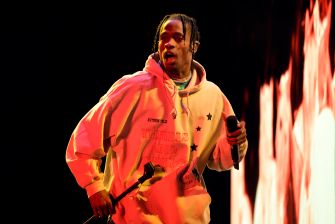
Photo Source: Christian Bertrand / Shutterstock.com
Travis Scott, Don Toliver and Sony Music have been sued by an Israeli producer who claims their 2019 song "What to Do?" incorporates his original instrumental without a licensing agreement or payment, despite crediting him as a contributor.
Producer Niv Kalisky, known professionally as Early Yellow, filed the lawsuit Tuesday, November 17, 2026, in Manhattan federal court. He is seeking at least $1 million in damages, a share of the recording's earnings and a declaration that he owns 50 percent of its rights.
The Civil ComplaintA complaint is the formal pleading that generally begins a civil lawsuit. It identifies the parties, states the legal and factual basis for the plaintiff’s claims, explains why the court has authority to hear the case, and asks the court for a specific form of relief.Read more → also names rapper Sheck Wes, producers Mike Dean, London Cyr and Jenius, Epic Records, Cactus Jack Records and other companies involved in the song's production and distribution.
Kalisky alleges that his instrumental, titled "Moazin99bpm," was supplied to representatives of producers working on "What to Do?" months before its release on Scott's Jackboys album.
According to the complaint, Kalisky sent files containing the recording to representatives of Cyr and Jenius in May and July 2019. On October 30, Cyr allegedly sent him a version of the developing song that incorporated his beat. Kalisky claims the recording was subsequently completed and released on December 27 without his permission or a licensing agreement.
The song has since accumulated more than 270 million streams on Spotify and over 60 million plays on YouTube, according to figures cited in the lawsuit. Kalisky alleges that the recording generated substantial revenue for the artists, producers and companies involved, while he received no compensation for the use of his work.
His complaint states that Apple Music and Spotify identify him as a producer and songwriter on the track. Kalisky argues that those credits acknowledge his contribution but have not resulted in payment or recognition of his claimed ownership interest in the sound recording.
The distinction is central to the dispute. Songwriting credits and rights to a sound recording involve separate forms of copyright ownership. Kalisky is seeking a declaration that he owns half of the recording, along with an accounting of the revenue generated through its distribution.
The lawsuit also challenges Sony Music's response to copyright takedown notices Kalisky says he submitted to streaming platforms in October 2026. According to the complaint, Sony and Epic Records filed counter-notifications disputing his claims, allowing the track to remain available.
Kalisky alleges that those responses knowingly misrepresented his rights and violated federal copyright law. The allegations include claims involving the Digital Millennium Copyright Act, which establishes procedures for requesting the removal of allegedly infringing material and challenging such requests.
The filing accuses the defendants of continuing to distribute and profit from the recording despite receiving notice of Kalisky's ownership claims. He seeks damages for alleged copyright infringement and other claims, including Unfair CompetitionUnfair competition is a broad area of law addressing deceptive, misleading, or wrongful business practices that harm competitors, consumers, or another party's commercial identity.Read more →, misrepresentation and unjust enrichment.
Kalisky is asking the court to determine his ownership interest in "What to Do?," order an accounting of its earnings and award damages for the alleged unauthorized use. He also seeks restrictions on further distribution of the song. The defendants have not yet publicly responded to the allegations.
Share This Article
If you found this article insightful, consider sharing it with your network.
Camila studied Entertainment Journalism at UCLA and is the founder of a clothing brand inspired by music festivals and youth culture. Her YouTube channel, Cami's Playlist, focuses on concerts and music history. With experience in branding, marketing, and content creation, her work has taken her to festivals around the world, shaping her unique voice in digital media and fashion.
Ye has been sued by an opera musician who alleges he was locked inside a Wyoming high school band room and forced to compose the rapper's 2019 biblical opera Nebuchadnezzar in four days, then denied payment and credit for music later used in commercial recordings.Chase Taylor filed the lawsuit Wednesday,...
Read
More about Ye Sued by Musician Who Says He Was Locked in School to Write Opera »
Ye and Ty Dolla $ign are facing a federal copyright lawsuit from two producers who accuse the rappers of using a sample from their 2018 recording in the song "Vultures" without permission or payment.Producers Jaraed Deal and Marlon Barrow filed the complaint Friday, November 6, 2026, in Los Angeles federal...
Read
More about Ye and Ty Dolla $ign Sued Over 'Vultures' Sample From Friend »
A songwriter who accused Drake of stealing the chorus of his hit song "Janice STFU" has withdrawn his federal copyright lawsuit just 11 days after filing it, ending the case without a court ruling on the allegations.Oregon producer Aviel Calev Hirschfield voluntarily dismissed the lawsuit Tuesday, October 27, 2026, without...
Read
More about Drake Copyright Lawsuit Over 'Janice STFU' Dropped After 11 Days »
Neil Young has filed a $10 million copyright infringement lawsuit against President Donald Trump's political committee, accusing it of playing "Rockin' in the Free World" at campaign rallies six years after his previous legal action over the same song ended in a settlement.The complaint, filed Monday, October 26, 2026, in...
Read
More about Neil Young Sues Trump PAC for $10 Million Over Song Despite 2020 Settlement »
Beyoncé's entertainment company is seeking sanctions against a music copyright owner and his attorney, accusing them of making contradictory ownership claims in a renewed lawsuit over the singer's 2022 hit "Alien Superstar."In court papers filed Thursday, October 15, 2026, Parkwood Entertainment asked a California federal judge to dismiss the lawsuit...
Read
More about Beyoncé's Company Demands Sanctions Over Allegedly False Claims in 'Alien Superstar' Lawsuit »