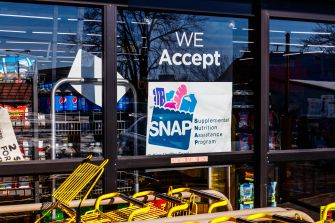
The U.S. Department of Agriculture (USDA) has been sued in federal court over restrictions on food purchases made with Supplemental Nutrition Assistance Program (SNAP) benefits, commonly known as food stamps, in 18 states, months after a judge struck down similar restrictions in five others.
Seventeen SNAP recipients and the South Carolina Convenience & Petroleum Marketers Association filed the proposed class action on November 18, 2026, in the U.S. District Court for the District of Columbia, accusing the USDA and Agriculture Secretary Brooke Rollins of exceeding their statutory authority.
More than 12.8 million SNAP recipients live in states covered by the challenged waivers, some of which are still awaiting implementation, according to the complaint. Depending on the state, the rules prohibit purchases of soda, candy, energy drinks, prepared desserts and certain fruit juices.
On June 22, U.S. District Judge Amy Berman Jackson invalidated similar waivers in Colorado, Iowa, Nebraska, Tennessee and West Virginia, ruling that the USDA had relied on a provision authorizing pilot projects to improve SNAP administration rather than a separate provision governing health and nutrition projects, which carries stricter requirements.
Jackson also found that the agency violated its own public notice regulations. The USDA and Rollins appealed the decision on August 20 to the U.S. Court of Appeals for the District of Columbia Circuit.
In 2018, the USDA rejected similar proposals from Maine and Nevada, citing administrative costs, burdens on retailers and insufficient evidence of health benefits. The plaintiffs argue that the department failed to adequately justify its subsequent policy reversal.
Florida, Texas, Oklahoma and five other states implemented their purchasing restrictions before the USDA opened a public comment period on September 15, according to the complaint.
Kristin Meyer, an Idaho SNAP recipient, alleges that the purchasing rules prevent her from using her benefits to buy certain electrolyte drinks, nutrition bars and other products she relies on to manage chronic health conditions. The waivers provide no exceptions for individual medical needs, according to court documents.
Convenience stores and fuel retailers face additional costs to identify prohibited products and risk losing their authorization to accept SNAP benefits for repeated violations, the South Carolina trade association argues.
The USDA maintains that the waivers give states greater flexibility to improve nutrition among low-income households. The department has said it intends to defend its approval of the remaining restrictions.
The plaintiffs seek to invalidate all 18 waivers and bar the USDA from authorizing or enforcing similar restrictions under the same statutory provision, alleging violations of the Administrative Procedure Act and the Food and Nutrition Act of 2008.