Virginia Voters Overturn 20-Year-Old Same-Sex Marriage Ban

by Bridget Luckey | Nov 04, 2026
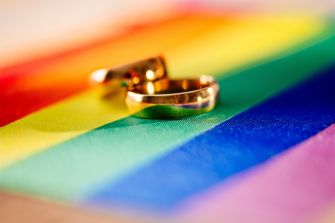
Two wedding rings rest on a rainbow-colored Pride flag.
Photo Source: Adobe Stock Image

Virginia voters have overturned a 20-year-old constitutional ban on same-sex marriage, approving an amendment that protects the right of same-sex and interracial couples to marry under state law.

Question 2 passed Tuesday, November 3, 2026, with approximately 57% support, replacing language adopted in 2006 that defined marriage exclusively as a union between one man and one woman.

The new amendment recognizes marriage as a fundamental right and requires Virginia to issue marriage licenses to two adults regardless of their sex, gender or race. State officials must also recognize lawful marriages and treat them equally under the law.

Same-sex marriage has been legal in Virginia since 2014, when federal courts struck down the state's marriage restrictions. The U.S. Supreme Court established a nationwide right to same-sex marriage the following year in Obergefell v. Hodges, leaving Virginia's constitutional ban unenforceable.

The new state protections would remain in place independently of Obergefell, which Supreme Court Justice Clarence Thomas has previously called on the court to reconsider. The 2015 decision remains binding precedent nationwide.

Virginia was also at the center of the Supreme Court's 1967 decision in Loving v. Virginia, which struck down bans on interracial marriage. Richard and Mildred Loving had been prosecuted under a state law prohibiting marriages between people of different races. The justices unanimously ruled that the restrictions violated constitutional guarantees of equal protection and due process.

Efforts to remove Virginia's 2006 marriage restriction required approval from lawmakers in two successive legislative sessions before the proposed amendment could appear on the ballot. State legislators completed that process earlier this year, sending the measure to voters for the final decision.

Supporters backed the amendment as a way to secure marriage protections under Virginia's Constitution regardless of future changes in federal law. The approved language also establishes that the right to marry is a fundamental personal right essential to the pursuit of happiness.

Virginia election officials must certify the results before the amendment takes effect on January 1, 2027.

Share This Article

If you found this article insightful, consider sharing it with your network.

Bridget Luckey
Bridget studied Communications and Marketing at California State University, Long Beach. She also has experience in the live music events industry, which has allowed her to travel to festivals around the world. During this period, she acquired valuable expertise in branding, marketing, event planning, and public relations.

Related Articles

Missouri State Capitol building under a bright blue sky.

Missouri Voters Reject Abortion Ban for Second Time in Two Years

Missouri voters rejected a Republican-backed proposal Tuesday, November 3, 2026, to restore a ban on most abortions and add restrictions on gender-affirming medical care for minors to the state constitution, preserving reproductive rights they approved two years earlier.Amendment 3 failed by approximately 55% to 45%, according to preliminary election results.... Read More about Missouri Voters Reject Abortion Ban for Second Time in Two Years

U.S. passport and voter registration application resting on an American flag beside a gold pen.

Arizona Rejects Voter ID Overhaul as Kansas Backs Citizenship Amendment

Arizona voters rejected a sweeping election overhaul Tuesday, November 3, 2026, while Kansas voters supported a constitutional amendment explicitly limiting voting eligibility to U.S. citizens, according to preliminary election results.Arizona's Proposition 144 faced opposition from approximately 57% of voters in early returns. In Kansas, the citizenship amendment had received 54.31%... Read More about Arizona Rejects Voter ID Overhaul as Kansas Backs Citizenship Amendment

California Gov. Gavin Newsom speaks at a podium in front of California and U.S. flags during the child marriage ban bill signing.

California Bans Child Marriage as Newsom Signs Law Setting Minimum Age at 18

California Gov. Gavin Newsom has signed a law banning marriage for anyone under 18, ending a system that allowed minors to marry with parental consent and court approval.Newsom signed Assembly Bill 1267 on Wednesday, September 30, making California the 18th state to prohibit child marriage without exceptions. The law takes... Read More about California Bans Child Marriage as Newsom Signs Law Setting Minimum Age at 18

Legal term

Search articles and Legalpedia

Subscribe to Newsletter