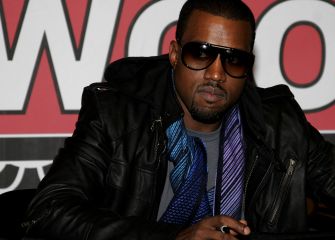
Ye is asking a Los Angeles judge to throw out a wrongful termination, discrimination, and harassment lawsuit brought by former Donda Academy worker Murphy Aficionado, arguing he was never a Yeezy employee and cannot produce enough evidence to take his claims to trial.
The rapper, formerly known as Kanye West, filed a motion for summary judgment ahead of a December 17, 2026, hearing. Trial is currently scheduled for January.
Ye’s motion disputes Aficionado’s claim that he worked for Yeezy as a project manager. His attorneys say Aficionado taught only a temporary, part-time engineering class at Donda Academy, was paid $52 an hour, and stopped working when the school closed.
The filing says there is no offer letter, onboarding record, personnel file, Yeezy email account, or assigned supervisor showing an employment relationship with the company.
Aficionado sued in November 2024, alleging Ye hired him in late 2022 as a Yeezy project manager at $125 an hour and later subjected him to discrimination, harassment, retaliation, and wrongful termination. He says he routinely worked long hours, including on plans involving Donda Academy, and was not properly compensated.
The complaint cites a text message in which Ye allegedly wrote, “I need to pay you for your time,” which Aficionado points to as support for his claim that he was working for Ye and had not been fully paid.
Aficionado also alleges Ye subjected him to antisemitic remarks and other offensive conduct, including comments about Jewish people and his Filipino tattoos. In one incident described in the complaint, he says Ye ordered him to remain at a Beverly Hills hotel meeting after he encountered Bianca Censori topless and later returned wearing a swastika T-shirt.
Ye’s attorneys argue that Aficionado’s sworn discovery responses do not identify specific incidents supporting several of his claims, discriminatory comments tied to a protected characteristic, or a clear timeline connecting workplace complaints to an adverse employment action.
The motion also challenges Aficionado’s account of an employment contract, arguing that his responses do not establish when such an agreement was formed or identify a consistent compensation rate.
At the summary judgment stage, Ye is arguing that the evidence developed during discovery is too thin for a jury to decide the case. If the judge agrees that no genuine factual dispute remains on the claims at issue, some or all of the lawsuit can be resolved without a trial.
Aficionado maintains that he was hired to work on Yeezy projects and that his duties extended well beyond the temporary teaching role described by Ye’s attorneys.
The court is scheduled to hear Ye’s summary judgment motion on December 17, 2026. If the case survives, trial is currently set to begin in January.