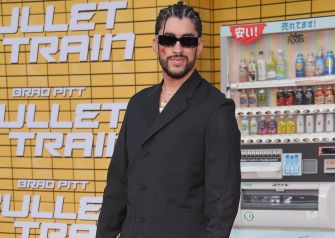
A federal judge has denied Bad Bunny’s request to recover more than $465,000 in legal fees after a copyright lawsuit over an allegedly unauthorized sample on Un Verano Sin Ti was dismissed earlier this year.
Bad Bunny, whose legal name is Benito Martínez Ocasio, asked Empawa Africa Music Services to pay $465,612 in attorney’s fees after the case ended with prejudice in March. His attorneys argued that the lawsuit lacked merit and accused Empawa of pursuing the case in hopes that the artist’s prominence and the threat of bad publicity would lead to a large settlement.
U.S. District Judge Otis D. Wright II rejected those arguments Thursday, finding that Empawa’s copyright claims were objectively reasonable and not frivolous. He also found insufficient evidence that the company brought the case for an improper purpose.
The dispute centered on “Enséñame a Bailar,” a track from Bad Bunny’s 2022 album Un Verano Sin Ti. Empawa and Nigerian producer Ezeani Chidera Godfrey, known professionally as Dera, alleged that the song used an unauthorized sample from Dera’s 2019 work “Empty My Pocket.”
Bad Bunny’s attorneys maintained that the sample had been properly cleared through Lakizo Entertainment, which had rights connected to the original recording. Empawa disputed whether Lakizo had authority to grant the permission needed for Bad Bunny’s use.
The lawsuit ended without a ruling on that question. Empawa was dismissed from the case after missing court deadlines, while Dera later failed to appear at a discovery hearing and did not respond to orders requiring him to continue prosecuting the case. Wright dismissed the remaining claims with prejudice on March 9, finding that Dera had abandoned the litigation.
A dismissal with prejudice prevents the same claims from being filed again, but it does not necessarily mean a court decided which side was right on the underlying copyright dispute. That distinction became important when Bad Bunny sought reimbursement for his legal costs.
Federal copyright law allows judges to award attorney’s fees to the prevailing side, but reimbursement is not automatic. Courts can consider whether a claim was objectively reasonable, whether either side acted improperly, and whether a fee award would further the goals of copyright law.
Wright found that those factors weighed against requiring Empawa to pay Bad Bunny’s fees. The judge noted that Empawa had copyright registrations supporting its claim to the sampled material and that Bad Bunny’s side acknowledged using the sample.
The court also found that no conclusive evidence had emerged showing that Bad Bunny had permission from the copyright owners to use the material. Wright rejected the argument that Empawa should have accepted assurances from opposing counsel that the necessary rights had been secured.
Bad Bunny’s attorneys had accused Empawa of pursuing what they described as a meritless case to extract an undeserved multimillion-dollar settlement. Wright found that the record did not support that characterization, concluding that the company had a reasonable basis to bring the copyright claims.
The judge also considered the effect a fee award could have on copyright owners seeking to enforce their rights. He concluded that requiring Empawa to pay the defendants’ legal expenses under the circumstances could discourage rights holders with reasonable claims from bringing them to court.
The ruling does not revive Empawa and Dera’s infringement claims or establish that Bad Bunny infringed their copyrights. The March dismissal remains in place, leaving the defendants responsible for their own legal fees.